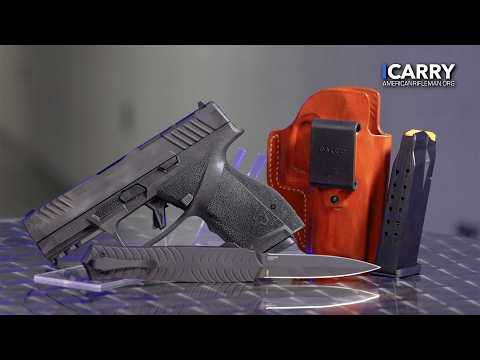
Quickies - What would be one good accessory to have when carrying?

Published on April 21, 2022
Duration: 3:32

This guide emphasizes the critical role of a rigid, high-quality belt in successful concealed firearm carry. It highlights how standard belts often fail to provide adequate support, leading to visible firearm printing. The video recommends exploring specialized belts, particularly those with ratcheting systems, for their superior rigidity, precise adjustability, and ability to maintain firearm stability and concealment.

Quick Summary

A rigid, high-quality belt is crucial for effective concealed firearm carry, often surpassing the importance of the holster alone. Belts that don't flex or twist prevent firearm rotation and printing, ensuring better concealment and stability. Ratcheting systems offer superior adjustability and support for everyday carry.

Chapters

  1. 00:00Introduction to Concealed Carry Challenges
  2. 00:10The Problem of Visible Firearm Printing
  3. 00:16Components of Successful Concealment
  4. 00:25Firearm Size and Concealment
  5. 00:47The Importance of Dress and Concealment Tools
  6. 00:57Holster vs. Belt: Key Components
  7. 01:09The Crucial Role of the Belt System
  8. 01:24Ratcheting Belt Mechanism Explained
  9. 01:39Rigidity and Firearm Stability
  10. 01:49Why Belt Rigidity Matters for Concealment
  11. 01:59Recommended Belt: Next Belt
  12. 02:10Benefits and Aesthetics of Next Belt
  13. 02:20Conclusion and Viewer Engagement

Frequently Asked Questions

What is the most important accessory for better firearm concealment besides a holster?

Beyond a quality holster, the most critical accessory for improving firearm concealment is a rigid, supportive belt. A belt that doesn't flex or twist is essential for keeping your holster and firearm stable, preventing outward rotation and visible printing.

Why do standard belts fail for concealed carry?

Standard fashion belts, often made of softer leather, lack the necessary rigidity to support the weight of a firearm and holster. They tend to flex and twist, causing the firearm to rotate outward, making it more noticeable and less comfortable to carry.

What type of belt system is recommended for concealed carry?

Ratcheting belt systems, similar to zip tie mechanisms, are highly recommended for concealed carry. They offer precise adjustability, eliminating the limitations of traditional hole-punched belts and providing a consistently secure and rigid platform for your holster.

What are the benefits of a rigid belt for concealed carry?

A rigid belt ensures your firearm remains stable and close to your body, preventing it from twisting outward. This enhanced stability significantly improves concealment, reduces printing, and contributes to a more comfortable and secure carry experience throughout the day.

More EDC & Lifestyle Videos You Might Like

More from Top Guns

View all →