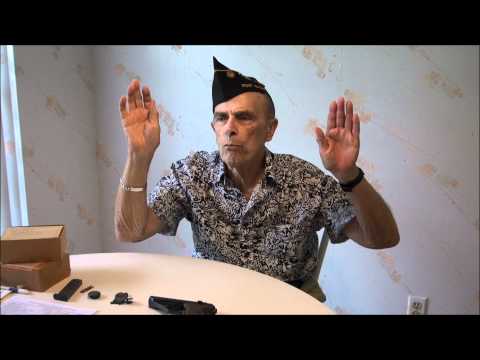
D-Day

Published on May 7, 2017
Duration: 4:17

This content delves into the often-overlooked aspects of the D-Day invasion, focusing on the German soldiers' long-term presence and training in Normandy prior to the Allied landings. It highlights the strategic importance of locations like Point du Hoc and the critical role of units such as the 2nd Ranger Battalion, particularly Delta Company, in overcoming German defenses on Omaha Beach. The discussion emphasizes the psychological and tactical surprises that unfolded during the invasion.


Quick Summary

German soldiers were stationed in Normandy for extended periods, some up to four years, before D-Day. Units like the 352nd Infantry Division were present, and some were rotated from the Russian Front. The 2nd Ranger Battalion, especially Delta Company, played a crucial role in overcoming defenses at Omaha Beach after a mistaken landing.

Chapters

  1. 00:00Introduction: The Unseen German Presence
  2. 00:31German Soldiers in Normandy: Long-Term Stationing
  3. 00:44Rotation from the Russian Front
  4. 00:58Conscripts and Their Role
  5. 01:14British Coastal Raids and Vigilance
  6. 01:31Omaha Beach: The Reality of the Terrain
  7. 01:53The 2nd Ranger Battalion at Point du Hoc
  8. 02:05Delta Company's Omaha Beach Landing
  9. 02:19Impact of Ranger Reinforcements
  10. 02:34German Confidence and Miscalculation
  11. 02:47Rangers Saving the Day

Frequently Asked Questions

How long were German soldiers stationed in Normandy before D-Day?

Many German units, including the 352nd Infantry Division, had been stationed in Normandy for extended periods, some up to four years, prior to the D-Day invasion. They underwent training and were part of the defensive infrastructure.

What was the role of the 2nd Ranger Battalion on D-Day?

The 2nd Ranger Battalion, particularly Delta Company, played a critical role. They assaulted Point du Hoc, and due to communication failures, their reinforcements mistakenly landed on Omaha Beach, significantly impacting the battle's outcome.

How did the terrain at Omaha Beach affect the invasion?

The terrain at Omaha Beach was narrower than often depicted, approximately 200-300 yards wide, with significant natural ridges and bunkers. This made it a formidable defensive position for the Germans.

Were German soldiers in Normandy primarily experienced fighters?

No, many German soldiers in Normandy were conscripts from various nationalities, including Polish and Czechoslovakian. While some units were rotated from the Eastern Front, a significant portion were less experienced personnel.

Related News

All News →

More General Videos You Might Like

More from John Hickok

View all →