Hickok45 History #1 Old Target

Published on May 20, 2015
Duration: 4:17

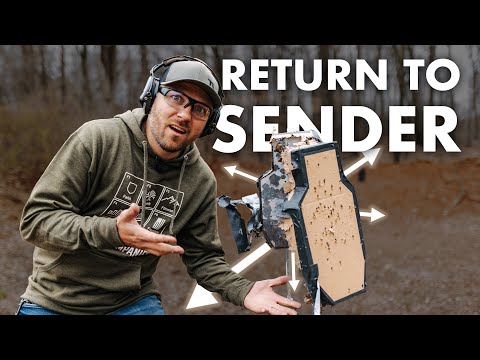
This video discusses the degradation of a mild steel target over approximately 30 years of use. It highlights how high-powered rifle rounds, including .308, 5.56, .375 H&H, and .300 Win Mag, caused significant damage, including craters and bending, far beyond what handguns would inflict. The speaker emphasizes the importance of using hardened steel, like AR-500, for rifle targets to prevent such extensive damage and potential safety hazards.


Quick Summary

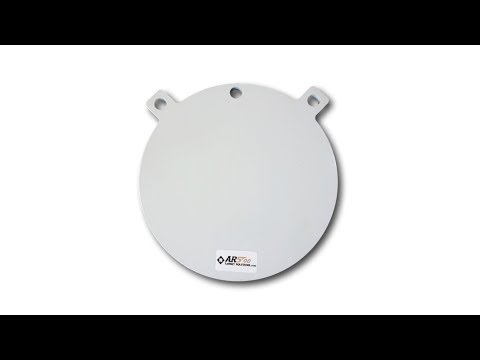
Mild steel targets are not suitable for high-powered rifle fire, which can cause significant damage like craters and bending. Hardened steel, such as AR-500, is recommended for rifle targets due to its superior durability and safety. Shooting damaged targets from longer distances (200-230 yards) is advised to mitigate ricochet risks.

Chapters

  1. 00:00Introduction to Steel Targets
  2. 00:30Examining the Damaged Target
  3. 01:01Mild Steel vs. Regular Steel
  4. 01:14Handgun vs. Rifle Impact
  5. 01:42AR-500 Steel Availability in the Past
  6. 02:16Target Degradation and Bowing
  7. 02:32Specific Calibers and Damage
  8. 02:52Safety Distances for Damaged Targets
  9. 03:13History of the Range Target
  10. 03:58Sponsor Mention: SDI

Frequently Asked Questions

Why is hardened steel preferred for rifle targets over mild steel?

Mild steel is prone to significant damage, including craters, bending, and fragmentation, when struck by high-powered rifle rounds. Hardened steel, such as AR-500, is specifically designed to withstand repeated rifle impacts without deforming or breaking, making it a safer and more durable option for rifle target shooting.

What kind of damage can high-powered rifle rounds inflict on mild steel targets?

High-powered rifle rounds can cause extensive damage to mild steel targets. This includes creating deep craters, knocking out pieces of metal, and causing the target to bend or bow significantly. This degradation makes the target less safe and less effective over time.

What is the recommended safe shooting distance for damaged steel targets?

When using damaged or potentially compromised steel targets, it is advisable to shoot from longer distances, such as 200-230 yards. This increased distance helps to ensure that no fragments or ricochets return towards the shooter, enhancing safety.

Was AR-500 steel readily available for targets in the late 1980s and early 1990s?

According to the video, AR-500 steel targets were not widely available or known to the speaker in the late 1980s and early 1990s. This lack of availability led some shooters to use less durable materials like mild steel for their targets.

More General Videos You Might Like

More from John Hickok

View all →