History of WWI Primer 106: French RSC 1917 Documentary

Published on September 10, 2019
Duration: 60:47

This video provides an in-depth look at the French RSC 1917 (Féchy Automatique Modèle 1917), one of the most advanced infantry rifles of WWI. It details its development, technical specifications, operational mechanics, and historical context, highlighting its innovative gas-operated system and unique N-block clip feeding mechanism. The video also discusses its reliability issues, design changes, and eventual replacement by the RSC 1918, offering a comprehensive overview of this significant, albeit complex, firearm.


Quick Summary

The French RSC 1917 (Féchy Automatique Modèle 1917) was a groundbreaking WWI autoloader, notable for its gas-operated system and use of the 8mm Lebel cartridge with a unique N-block clip for controlled feeding. Despite its advanced design, it faced reliability issues due to the cartridge shape and mechanical complexity, leading to selective issuance and eventual improvements in the RSC 1918.

Chapters

  1. 00:00Introduction to WWI Firearms & the RSC 1917
  2. 00:33Introducing the RSC 1917: A Steampunk Wonder
  3. 01:24Historical Context: Lebel Rifle & French Arms Development
  4. 02:31The Dawn of Autoloading: Hiram Maxim & Early Patents
  5. 05:30French Autoloader Program & Ammunition Challenges
  6. 07:09Secrecy & Lost Documents of French Arms Trials
  7. 09:051912 Trials: Top Autoloader Prototypes (B5, C7, A6)
  8. 11:29Trial Results: Fire Rate Failures & Ammo Issues
  9. 12:12Muni A6 Adoption & Production Halt Pre-War
  10. 13:21WWI Begins: France Enters with Lebel & Berthier
  11. 14:37The Need for Automatic Rifles in Trench Warfare
  12. 15:13Revisiting Pre-War Designs: The Chauchat Automatic Rifle
  13. 15:53Paul Ribeyrolles & The CSRG 1915
  14. 18:08RSC 1917 Design Goals & Challenges
  15. 20:16Detailed Look: RSC 1917 Features & N-Block Clip
  16. 21:32Magazine Mechanism & Loading Procedure
  17. 22:26Barrel, Sights, and Bayonet Lug
  18. 22:51Gas System & Operating Rod
  19. 24:01Bolt Locking & Action Cycling
  20. 24:48Controls: Safety & Bolt Hold-Open
  21. 25:22Stock & Sling Swivels
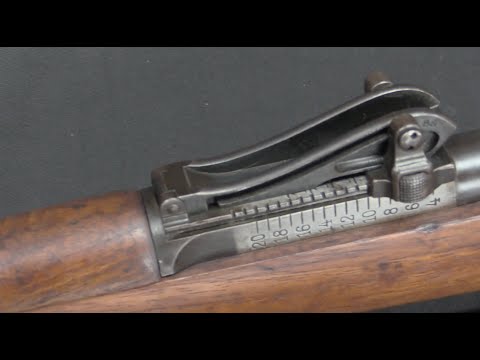
  22. 25:37Sights: Rear Ladder & Battle Sight
  23. 26:04Disassembly Overview
  24. 26:35How the RSC 1917 Works: Internal Mechanics
  25. 30:09Range Test & Performance Impressions
  26. 30:27RSC 1917 Production & Parts Suppliers
  27. 31:04Issuance & Soldier Selection
  28. 31:51Field Reception & Reliability Issues
  29. 32:30Gas System Regulation & Adjustments
  30. 32:41Bolt Handle & Bolt Hold-Open Changes
  31. 33:36Production Halt & The RSC 1918 Carbine
  32. 34:19RSC 1918 Carbine & Musketoon Prototypes
  33. 35:01The RSC 1918 Rifle: Improvements & Adoption
  34. 36:11RSC 1918 Production & Post-War Service
  35. 37:03The End of 8mm Lebel & Move to 7.5mm
  36. 37:30RSC 1917 Conversions & WWII Service
  37. 38:06Myth: Disabling Gas for Colonial Repeater Use
  38. 38:30Irony: Worst Cartridge in Best Autoloader
  39. 39:04Expert Handling: Nick's Opinion on the RSC 1917
  40. 39:16Ergonomics: Length, Weight, and Balance
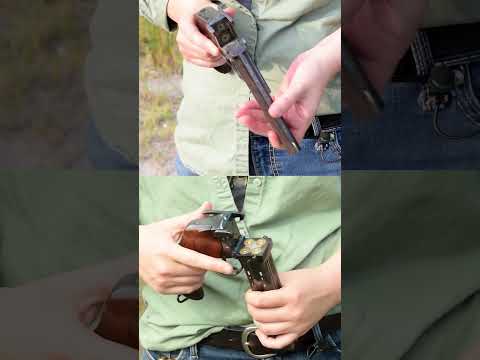
  41. 40:00Loading Procedure: The Bizarre N-Block Clip Insertion
  42. 41:18Action & Controls: Bolt Hold-Open Awkwardness
  43. 44:04Design Considerations: Shroud, Dust Cover, and Openings
  44. 45:11Chauchat Connection & Safety Selector
  45. 45:45Vulnerability to Mud & Debris
  46. 47:09Field Serviceability & Specialty Tools
  47. 47:51Shooting Impressions: Sights & Trigger
  48. 49:01Recoil Management & Gas System Impact
  49. 50:11Overall Verdict: Strengths vs. Weaknesses
  50. 50:51Survivorship Bias & Reliability Statistics
  51. 51:23List of Issues: Length, Breakages, Clips, Bolt Hold-Open
  52. 52:22RSC 1918 Improvements Compared to 1917
  53. 53:04Battlefield Viability: Who Should Carry the RSC 1917?
  54. 54:50Comparison to Mosin-Nagant Reliability
  55. 55:46Strategic Issuance of the RSC 1917
  56. 56:35The Tricky Gun: Solved by the 1918 Model
  57. 56:56Outstanding Weapon: Comparison to Winchester 1907
  58. 57:21Thanks to John & Clip Reproduction Challenge
  59. 59:09Post-Credits Update: Villar Perosa & More Fees Auctions

Frequently Asked Questions

What makes the French RSC 1917 rifle unique among WWI firearms?

The RSC 1917 (Féchy Automatique Modèle 1917) was one of the most advanced infantry rifles of WWI, featuring a gas-operated system and designed to fire the 8mm Lebel cartridge. Its unique N-block clip system was essential for reliably feeding this awkwardly shaped ammunition.

What were the main challenges faced by the French during the development of the RSC 1917?

Key challenges included the awkward 8mm Lebel cartridge requiring controlled feeding, the complexity of early autoloader designs, and the need for secrecy during development. Reliability issues, such as parts breakages and susceptibility to fouling, also plagued early production models.

How did the RSC 1917's gas system work?

The RSC 1917's gas system utilized the magazine tube as the gas piston tube. Gas pressure from firing drove a piston rearward, cycling the action. This system, while innovative, required a lower gas port position which may have contributed to some operational issues.

What were the primary reliability issues with the RSC 1917?

The RSC 1917 suffered from several reliability problems, including breakages of the bolt and piston, jams caused by the fragile N-block clips, and susceptibility to fouling from mud and debris due to its open design. These issues led to selective issuance and eventual design improvements in the RSC 1918.

What improvements did the RSC 1918 offer over the RSC 1917?

The RSC 1918 addressed many of the 1917's shortcomings. It featured a shorter barrel, an integral dust cover, an automatic bolt hold-open, a telescoping recoil spring, and an overhauled gas system for easier cleaning, making it a more reliable and practical firearm.

More General Videos You Might Like

More from C&Rsenal

View all →