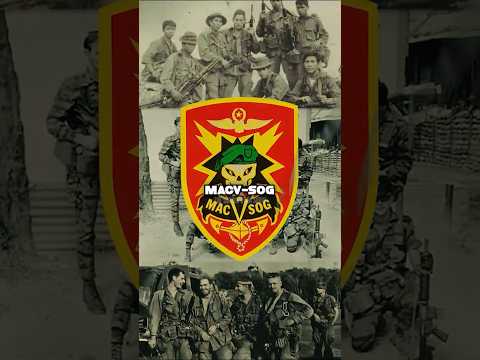
Nick Brokhausen - MACV-SOG on Vietnam War, Hand-to-Hand Combat and a Crazy Pet Monkey | SRS #276

Published on February 2, 2026
Duration: 197:45

This episode features Nick Brokhausen, a Vietnam veteran and MACV-SOG operative, discussing his experiences in Special Forces. He details the evolution of Special Operations, drawing parallels to the OSS, and critiques current organizational structures. Brokhausen also shares personal accounts of his early life, military career including his time in the Marines and Special Forces selection, and his combat missions in Vietnam with Recon Team Habu.

Quick Summary

Nick Brokhausen, a MACV-SOG veteran, discusses the evolution of Special Forces, noting a shift from broad counterinsurgency skills to more specialized 'door kicker' roles. He advocates for a return to the versatile, clandestine approach of the OSS, emphasizing independent action and reduced redundancy in modern operations.

Chapters

  1. 00:05Introduction of Nick Brokhausen
  2. 00:30Honoring Vietnam Generation Veterans
  3. 02:31Evolution of Special Forces
  4. 04:01History and Structure of the OSS
  5. 06:25White Paper on Special Operations Reform
  6. 08:05Critique of Modern Special Forces Structure
  7. 09:01Selection for CCN
  8. 11:14Cross-Pollination in Special Forces
  9. 12:43Post-WWII Bases and Command Structures
  10. 13:47Detachment A in Berlin
  11. 17:46Nick Brokhausen's Bio and Books
  12. 20:21Early Life and Farm Background
  13. 23:33Childhood Adventures and Trapping
  14. 25:10Entering the Military
  15. 26:24Service in Korea during Pueblo Incident
  16. 28:21First Tour in Vietnam as a Marine
  17. 33:10Incidents on the DMZ
  18. 34:44Jump School and Special Forces Selection
  19. 35:04Love for the Marine Corps and Transfer to Army
  20. 36:35Interest in Special Forces
  21. 38:16CIA Projects and Nasty Boats
  22. 39:18MACV-SOG Origins and Size
  23. 41:43SOG Association (S SOA)
  24. 43:38Transition from Marines to Army Special Forces
  25. 47:42Special Forces Selection Phase One
  26. 51:11Weapons and Heavy Weapons Training
  27. 53:18Training for other MOS (Sparkies, Engineers, Medics)
  28. 56:48Special Forces Selection Phase Three
  29. 59:12Assignment to 6th Group and Bolivia MTT
  30. 62:28Discovery of Inca Grave and Cocaine
  31. 65:26Orders to Vietnam and Avoidance of Big Red One
  32. 67:27Davy Crockett Weapon System
  33. 68:37Assignment to CCN (MACV-SOG)
  34. 70:15Arrival at CCN FOB4
  35. 72:28Introduction to Larry Manus and RT Habu
  36. 75:39Introduction to RT Habu Team Members
  37. 77:15Mac and Brokhausen's Partnership
  38. 78:04Introduction of Cookie (Robert Cook)
  39. 79:00Team Roles and Leadership
  40. 80:00One Zero School and Bright Light Mission

Frequently Asked Questions

What was MACV-SOG and what kind of missions did they conduct?

MACV-SOG (Military Assistance Command, Vietnam – Studies and Observations Group) was a highly classified U.S. special operations unit during the Vietnam War. They conducted covert reconnaissance, direct action, and unconventional warfare missions deep into enemy territory in Vietnam, Laos, and Cambodia.

How did Special Forces training differ between the Vietnam era and today?

During the Vietnam era, Special Forces training emphasized broad skills like patrolling, survival, and unconventional warfare, preparing operators for long-term deployments in foreign countries. Modern training has become more specialized, with a greater focus on direct action roles, leading to discussions about returning to a more OSS-like, versatile operational model.

What was the role of Special Forces medics (18-Delta)?

Special Forces medics, known as 18-Deltas, underwent exceptionally rigorous training, including live tissue practice on animals. This comprehensive education allowed them to provide advanced medical care in austere environments, making them highly respected and capable of practicing medicine in numerous countries.

What challenges did MACV-SOG reconnaissance teams face?

MACV-SOG reconnaissance teams, like RT Habu, faced extremely high attrition rates. Brokhausen noted that out of nine men assigned to his team, only three remained operational after a year, with the rest either wounded or killed, underscoring the extreme danger of their missions.

Related News

All News →

More General Videos You Might Like

More from Shawn Ryan Show

View all →