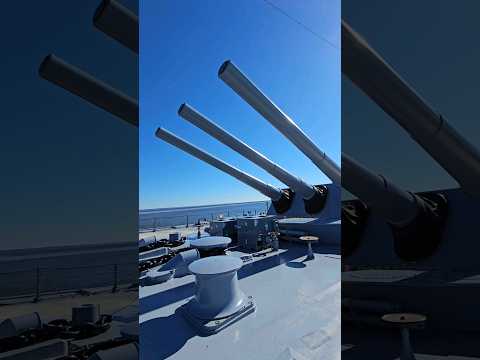
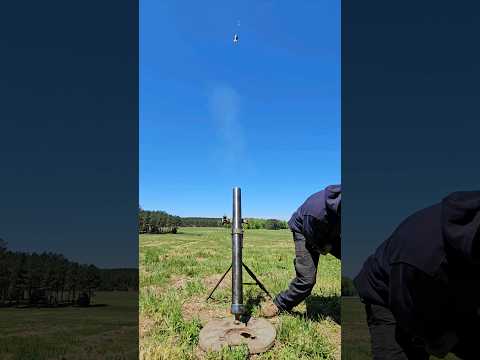
RADIO PROXIMITY FUZE: General Electric Helps Beat Kamikazes & Win WW2 #military #history #technology

Published on February 20, 2024
Duration: 1:00

This entry details the VT Radio Proximity Fuze, a crucial World War 2 technology developed by General Electric. It explains the fuze's radar-based detonation mechanism, its electrolyte-activated battery, and the unique manufacturing challenges, including the use of Christmas tree lamp bulb machines. The information highlights its effectiveness against Kamikaze attacks and the significant production volume.

Quick Summary

The VT Radio Proximity Fuze, a critical World War 2 technology by General Electric, used a radar-based system to detonate projectiles within 70 feet of a target. Its electrolyte-activated battery required a glass capsule that shattered upon firing, posing unique manufacturing challenges. Over 30 million units were produced, aiding significantly in defense against Kamikaze attacks.

Chapters

  1. 00:00Introduction to the VT Radio Proximity Fuze
  2. 00:11Operational Mechanism
  3. 00:25Engineering Challenges
  4. 00:41Manufacturing and Historical Context

Frequently Asked Questions

What was the primary function of the VT Radio Proximity Fuze?

The VT Radio Proximity Fuze was a crucial World War 2 defense technology designed to detonate projectiles automatically when they came within a certain range (70 feet or less) of a target, significantly improving effectiveness against aerial threats like Kamikaze planes.

How was the VT Radio Proximity Fuze activated?

Activation involved a two-stage process: upon firing, a glass capsule shattered, releasing an electrolyte to power a battery. This battery then powered a tiny radio transmitter/receiver that triggered detonation when reflected waves from a target were detected.

Who manufactured the VT Radio Proximity Fuze?

The VT Radio Proximity Fuze, specifically its glass capsules, was produced by General Electric's Lamp Department. They manufactured over 30 million units using specialized machinery originally intended for Christmas tree lights.

What were the key engineering challenges in producing the VT Radio Proximity Fuze?

A primary challenge was creating glass capsules that were robust enough to withstand firing forces but fragile enough to reliably shatter and release the electrolyte upon impact or firing, ensuring proper battery activation for the fuze.

Related News

All News →

More General Videos You Might Like

More from Ordnance

View all →