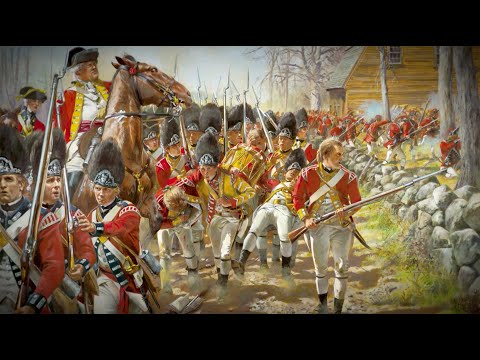
The Road To Revolution: 250 Years Later

Published on April 16, 2025
Duration: 9:59

This video details the escalating tensions and logistical preparations leading up to the American Revolution, focusing on the period between September 1774 and April 1775. It highlights the formation of Committees of Safety, the aggregation of arms and supplies by colonial militias, and British attempts to seize these stores, culminating in the events preceding Lexington and Concord. The narrative emphasizes that colonial preparedness and communication were crucial factors.

Quick Summary

In the lead-up to the American Revolution, colonial militias actively prepared by forming Committees of Safety to centralize resources and stockpile arms and ammunition. Local gunsmiths played a role in assembling firearms, while British attempts to seize these supplies only heightened tensions and demonstrated the growing colonial readiness.

Chapters

  1. 00:14Revolutionary War Myths vs. Reality
  2. 01:14Tensions Leading to Revolution
  3. 01:34September 1774: Boston Port Closure & Powder House Raid
  4. 03:24Lack of Centralized Plans & Formation of Committees of Safety
  5. 04:46Towns Stockpiling Arms and Ammunition
  6. 05:13Local Gunsmithing and Firearm Assembly
  7. 06:14James Barrett and Concord's Supply Gathering
  8. 06:38Logistical Needs: Cartridge Boxes and Powder Horns
  9. 07:05British Raids on Colonial Supplies
  10. 08:08April 1775: Gage's Expedition to Concord
  11. 08:38Colonial Intelligence and Alarm Spreading
  12. 09:00Hancock & Adams Informed of British Movements
  13. 09:27The Midnight Ride and Militia Mobilization

Frequently Asked Questions

What were the key logistical preparations made by colonial militias before the American Revolution?

Colonial militias focused on stockpiling arms, ammunition, and essential supplies like canteens and tents. They also established Committees of Safety to centralize resources and encouraged local gunsmiths to repair and assemble firearms from available parts.

How did the British attempt to disrupt colonial preparedness in the lead-up to the Revolution?

General Gage, aware of colonial supply caches, launched expeditions to seize or destroy these stores. This included raids on powder houses and the destruction of muskets and powder, which often led to standoffs and increased colonial outrage.

What role did Committees of Safety play in the pre-Revolutionary period?

Formed in September 1774, Committees of Safety acted as centralized command structures for colonial militias. They were responsible for aggregating supplies, coordinating defense efforts, and responding to threats from British troops stationed in Boston.

How effective was colonial communication in alerting militias to British movements?

Colonial communication networks, utilizing multiple riders, were highly effective. They could spread alarms rapidly across the countryside, enabling militia companies to mobilize and prepare for engagement even before British troops had fully departed their garrisons.

More General Videos You Might Like

More from NRApubs

View all →