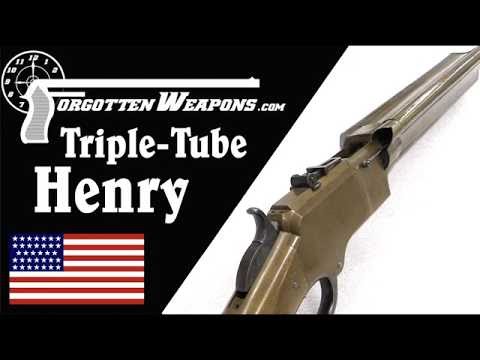
1860 Henry Rifle: Anvil 0153

Published on December 23, 2025
Duration: 24:18

This guide details the disassembly and cleaning of an 1860 Henry Rifle, focusing on the delicate process of removing the side plate and addressing common issues like verdigris and damage from dry firing. Mark Novak, demonstrating advanced gunsmithing techniques, emphasizes careful cleaning of screw heads and proper torque application. The guide highlights the historical significance and mechanical limitations of the toggle link system, advising against restoration for firing due to extensive damage.

Quick Summary

The 1860 Henry Rifle's toggle link system had scaling limitations for higher-pressure cartridges, requiring larger receivers. Excessive dry firing can damage the firing pin and chamber. Proper side plate removal involves cleaning the screw and careful torque application.

Chapters

  1. 00:00Introduction: 1860 Henry Rifle History
  2. 01:56Damage Assessment: Side Plate & Firing Pin
  3. 03:26Disassembly: Side Plate Removal & Cleaning
  4. 06:11Toggle Link Mechanics Explained
  5. 11:11Loading Mechanism & Scaling Issues
  6. 13:19Evolution of Locking Systems
  7. 16:11Firing Pin Damage & Dry Firing Risks
  8. 19:54Maintenance Warnings & Preservation

Frequently Asked Questions

What are the main mechanical limitations of the 1860 Henry Rifle's toggle link system?

The toggle link system in the 1860 Henry Rifle was limited in its ability to scale for longer, higher-pressure cartridges. To accommodate more powerful rounds, the receiver and associated components would need to become impractically large, unlike later designs with dedicated locking blocks.

What kind of damage can excessive dry firing cause to a rimfire rifle like the 1860 Henry?

Excessive dry firing on rimfire firearms can cause significant damage. The firing pin strikes the edge of the chamber, leading to peening, bending, or breakage of the firing pin and potential damage to the chamber face itself.

How should one properly remove the side plate from an 1860 Henry Rifle?

Proper removal involves first cleaning any debris from the side plate screw head. Then, carefully remove the single securing screw while applying steady vertical pressure. The dovetailed side plate should then slide off without excessive force.

Why is it often inadvisable to restore a heavily damaged historical firearm like this 1860 Henry Rifle to firing condition?

Restoring a damaged historical firearm may involve irreversible modifications that diminish its historical integrity. In cases of severe wear, damage like a bent firing pin, or compromised mechanical function, preserving it as a historical artifact is often preferred over risky restoration.

More Gunsmithing & DIY Videos You Might Like

More from Mark Novak

View all →