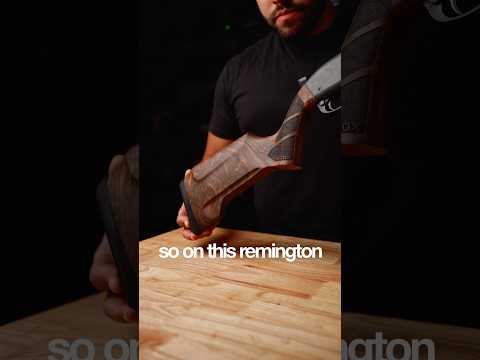
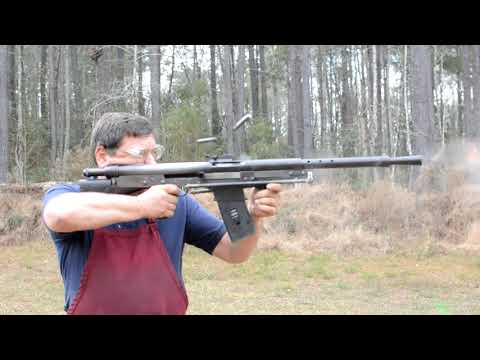
1897 Trench Conversion: Anvil 0144

Published on February 7, 2025
Duration: 38:23

This video details the complex process of converting a Winchester 1897 shotgun into a trench gun configuration. It covers critical steps such as legally shortening the barrel, modifying the magazine tube, fabricating and fitting a bayonet lug and heat shield, and addressing significant engineering challenges that arise from using reproduction parts. The presenter emphasizes the need for specialized tools and advanced machining skills to achieve a functional and safe result.


Quick Summary

Converting a Winchester 1897 shotgun to a trench gun involves legally shortening the barrel, fitting a bayonet lug and heat shield, and ensuring correct magazine tube timing. Reproduction parts often require significant machining due to dimensional inaccuracies. Advanced gunsmithing skills and specialized tools are typically necessary for a successful and safe conversion.

Chapters

  1. 00:05Introduction: Previous Condition and Goals
  2. 00:48Planning the Trench Gun Conversion: Bayonet and Heat Shield
  3. 01:11Legal Barrel Lengths and Practical Considerations
  4. 02:26Magazine Tube Length and Clearance
  5. 03:48Front Sight Bead Placement Techniques
  6. 04:46Securing the Magazine Cap and Bayonet Mount
  7. 05:52Machining the Nose Cap for Retention Pin
  8. 06:54Installing the Retention Pin
  9. 07:43Fitting the Bayonet Lug/Heat Shield Mount
  10. 08:47Addressing Heat Shield Fitment Issues
  11. 09:06Engineering Challenges: Clamp Opening and Barrel Obstruction
  12. 10:03Modifying Mount Holes for Larger Fasteners
  13. 10:33Barrel Wall Thickness Analysis
  14. 11:40Bayonet Clearance and Barrel Trimming
  15. 12:06Aligning the Front Sight and Barrel
  16. 13:08Magazine Tube and Barrel Alignment Check
  17. 13:40Removing the Tight Bayonet Lug Assembly
  18. 14:39Troubleshooting Tight Casting Fitment
  19. 15:15Machining the Bayonet Lug Mount in a Lathe
  20. 16:01Ensuring Concentricity with a Dial Indicator
  21. 18:29Drilling the Barrel Mount with a Large Drill Bit
  22. 20:43Observing Drill Bit Walking and Barrel Flex
  23. 21:48Sacrificing Original Screws for Better Fasteners
  24. 22:34Heat Shield Reattachment and Soldering
  25. 23:21Soldering the Heat Shield Components
  26. 24:30Jigging and Soldering the Heat Shield
  27. 25:30Riveting and Finalizing Heat Shield Attachment
  28. 26:14Revisiting Fastener Issues and Disassembly
  29. 27:15The Problem with the Clamp Design
  30. 28:11Drilling Out the Mount for Clearance
  31. 29:00Analysis of Screw Hole Crabbing and Barrel Grooves
  32. 30:08Reheating, Re-clamping, and Turning the Mount
  33. 31:04Removing and Reattaching the Heat Shield
  34. 31:31Final Disassembly Check
  35. 31:43Magazine Timing Issues and Barrel Replacement
  36. 32:56Correcting Magazine Timing by Shortening the Tube
  37. 33:38Finalizing Nose Cap and Mount Fitment
  38. 34:00Tools and Skills Required for Conversion
  39. 34:33Shooting Test and Final Thoughts
  40. 36:38Post-Conversion Overview and Shooting
  41. 37:09Concluding Remarks on the Trench Gun Project

Frequently Asked Questions

What are the key challenges when converting a Winchester 1897 shotgun to a trench gun style?

Key challenges include legally shortening the barrel, fitting reproduction bayonet lugs and heat shields that may not be dimensionally accurate, and ensuring proper magazine tube timing. Significant machining and advanced gunsmithing skills are often required to overcome these issues.

How do you ensure a bayonet lug or heat shield fits correctly on a shotgun barrel?

If a reproduction part is too tight, it can be carefully heated and expanded with a wedge. If the part is too loose, metal packing or machining may be needed. Proper alignment with the barrel and magazine tube is critical for functionality and safety.

What are the legal considerations for shortening a shotgun barrel?

For shotguns, the minimum legal barrel length is typically 18 inches. It's essential to measure from the bolt face to the muzzle and to leave a small margin (e.g., 1/8 inch) for future maintenance. Exceeding this limit creates a short-barreled shotgun, which is a serious federal offense.

Why is magazine tube timing important in a shotgun conversion?

Incorrect magazine tube timing can cause a gap between the receiver and the tube, allowing shells to jam. This occurs when the barrel's rotation is not properly indexed, preventing the magazine cap from seating correctly and leading to feeding failures.

More Gunsmithing & DIY Videos You Might Like

More from Mark Novak

View all →