AR-15 Lower Receiver Assembly Tips Presented by Larry Potterfield of MidwayUSA

Published on March 20, 2009
Duration: 1:31

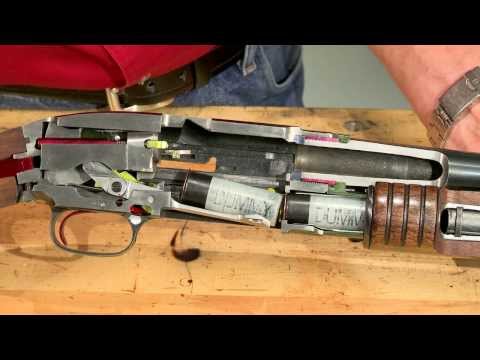
This guide provides essential tips for assembling an AR-15 lower receiver, presented by Larry Potterfield of MidwayUSA. It covers pre-assembly inspection, crucial steps for installing the trigger guard without damaging receiver ears, and proper techniques for testing trigger function using specialized tools to prevent component damage. Following these expert recommendations helps ensure a successful and error-free build.

Quick Summary

Assemble your AR-15 lower receiver correctly by first inspecting and cleaning all holes with drill bits and a pin vice. Use an AR Stoner fixture to support receiver ears during trigger guard installation and a Crosstac plastic hammer block for safe trigger testing, preventing component damage.

Chapters

  1. 00:00Introduction to AR-15 Receivers
  2. 00:21Pre-Assembly Inspection and Cleaning
  3. 00:37Trigger Guard Installation Tip
  4. 00:56Testing Trigger Function
  5. 01:09Conclusion

Frequently Asked Questions

What are the key steps for assembling an AR-15 lower receiver?

Begin with a thorough inspection and cleaning of the receiver holes using drill bits and a pin vice. Support the receiver ears with a fixture like the AR Stoner model when installing the trigger guard roll pin. Finally, use a plastic hammer block, such as the Crosstac, to safely test the trigger function.

How can I avoid damaging my AR-15 lower receiver during assembly?

Always use appropriate tools and techniques. Specifically, support the receiver ears with a fixture during trigger guard roll pin installation and use a plastic hammer block when testing the trigger to prevent damage from the hammer's impact.

What tools are recommended for assembling an AR-15 lower receiver?

Recommended tools include drill bits and a pin vice for cleaning holes, a specialized fixture (like the AR Stoner model) for trigger guard installation, and a plastic hammer block (like the Crosstac model) for safe trigger testing. A Tipton gun cleaning mat is also useful.

Why is inspecting and cleaning the lower receiver important before assembly?

Inspecting ensures the receiver is free of defects. Cleaning each hole manually with drill bits and a pin vice guarantees that parts will install smoothly, preventing potential binding or damage during the assembly process.

Related News

All News →

More Gunsmithing & DIY Videos You Might Like

More from MidwayUSA

View all →