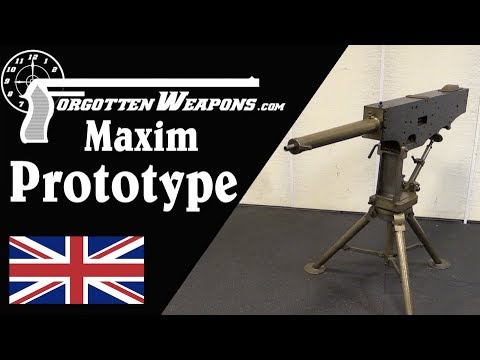
Argentine Brass Maxim: A Machine Gun of the Steampunk Age

Published on November 29, 2023
Duration: 19:29

This guide details the disassembly of the Argentine Brass Maxim machine gun, as demonstrated by Ian McCollum. It covers removing key components like the barrel, top cover, bolt, and toggle link assembly, with a focus on inspecting the internal mechanisms, the unique walnut feed roller, and the Fuzee spring system. The process highlights the intricate design and historical significance of this early automatic weapon.

Quick Summary

The Argentine Brass Maxim machine gun operates via a recoil-operated toggle lock action and features extensive cast brass components for easier manufacturing. A unique walnut roller in the feed tray reduces belt friction, and its rate of fire is adjustable through the Fuzee spring system.

Chapters

  1. 00:00Introduction to Argentine Brass Maxim
  2. 00:25Hiram Maxim and Early Development
  3. 02:06Transition to Smokeless Powder
  4. 03:56Argentine Contract History
  5. 05:00The 1909 Refurbishment
  6. 06:57Markings and External Details
  7. 08:27Internal Mechanism
  8. 09:51Trigger and Safety
  9. 10:16Lock Disassembly
  10. 11:33Brass Components
  11. 12:24Unique Feed Roller
  12. 13:23Cooling and Steam System
  13. 15:50Fuzee Spring and Tension
  14. 18:22Tripod Features

Frequently Asked Questions

What is the action type of the Argentine Brass Maxim machine gun?

The Argentine Brass Maxim machine gun features a recoil-operated toggle lock action. This mechanism is similar in principle to a scaled-up Luger pistol, utilizing a series of links that fold to unlock the bolt after firing.

Why does the Argentine Maxim have a brass receiver?

The Argentine Maxim machine gun extensively uses cast brass components, including the receiver block. This was often due to manufacturing capabilities and material availability in the late 19th century, making brass easier to cast than steel at the time.

What is the purpose of the walnut roller in the feed tray?

The unique walnut wood roller found in the feed tray of this early Maxim variant is designed to reduce friction as the ammunition belt is fed into the gun, ensuring smoother operation.

How was the rate of fire adjusted on the Argentine Maxim?

The rate of fire on the Argentine Maxim could be adjusted using the Fuzee spring system. This large coil spring had a tension gauge and adjustment crank, allowing the operator to modify the spring's tension and thus the firing rate.

Related News

All News →

More Gunsmithing & DIY Videos You Might Like

More from Forgotten Weapons

View all →