This video provides an overview of the KAK Industry's Lima 1917 AR Upper, a unique collaboration with Lima Six. The design revives the water-cooled, belt-fed concept of the M1917 Browning machine gun, adapted for the modern AR-15 platform. The presenter, with high authority and expertise, highlights its availability in semi-auto and full-auto configurations, appealing to those familiar with classic firearm aesthetics.
This video from The VSO Gun Channel covers new firearms showcased at SHOT Show 2026 Range Day. Expert insights are provided on a KAK Industry water-cooled, belt-fed AR-15 designed for sustained fire, alongside new releases from Franklin Armory, Bushmaster, Henry Repeating Arms, Alpha Foxtrot, Wraith Metalworks, and Diamondback Firearms. The host's high authority level and technical knowledge are evident throughout the review.
This guide details the disassembly of the Colt MG38 machine gun, focusing on accessing the recoil spring and the unique lightened anti-aircraft bolt. It highlights the 'speed holes' on the bolt, which increase the rate of fire, and contrasts the MG38's features with earlier Browning designs. The process emphasizes safe handling and identification of key components like the top cover latch and barrel timing notches.
This guide details the assembly and operational use of the German MG08 machine gun with its distinctive Schlitten 08 sled mount. It covers the unique transport methods, operational controls, maintenance procedures, and accessory integration, drawing on expert insights from Forgotten Weapons. The MG08, a water-cooled, recoil-operated machine gun, was a pivotal weapon in WWI, and understanding its mount is crucial for appreciating its battlefield utility.
This guide details the disassembly of the Argentine Brass Maxim machine gun, as demonstrated by Ian McCollum. It covers removing key components like the barrel, top cover, bolt, and toggle link assembly, with a focus on inspecting the internal mechanisms, the unique walnut feed roller, and the Fuzee spring system. The process highlights the intricate design and historical significance of this early automatic weapon.
This guide details the operation of the Browning 1917 heavy machine gun, covering loading procedures and tripod adjustments. The video features an expert assessment, highlighting the firearm's robust design and historical context. It emphasizes proper belt feeding and charging handle operation for safe and effective use.
This guide details the loading procedure and safety mechanism of the Vickers MkI machine gun, as explained by an expert instructor. It covers racking the charging arm, chambering a round, and the intentional trigger engagement via the safety paddle. The video emphasizes proper handling for safe operation.
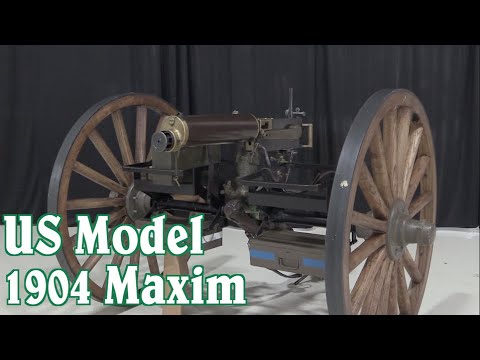
This entry details the Colt Model 1904 Maxim, the first machine gun adopted by the US military, based on expert analysis from Forgotten Weapons. It covers historical context, production details, significant technical features like its heavy barrel and water jacket, and operational aspects including its complex rear sight and spade grips. The information highlights the gun's immense weight and the bureaucratic hurdles that affected its adoption and service.
This entry details the operation and cooling system of the Vickers Machine Gun, a WWI-era masterpiece. It highlights the belt-fed, water-cooled design, tripod mounting, and spade grip controls. The explanation emphasizes the function of the corrugated water jacket in preventing overheating by maintaining steam temperatures. Instruction is provided by Arm&Gun, demonstrating a high level of expertise.
This guide details the field stripping process for the Colt MG52-A heavy machine gun, as demonstrated by Ian McCollum. It covers the removal of the spade grips and the bolt assembly, highlighting the weapon's mechanical similarities to the M2 Browning. The demonstration emphasizes the importance of proper disassembly for maintenance and understanding the firearm's mechanics.
This guide details the field stripping and reassembly of the FIAT-Revelli Modello 1914 heavy machine gun, as demonstrated by Ian McCollum on Forgotten Weapons. It covers the removal of the bolt and barrel assembly, disassembly of the bolt carrier, and the critical function of the delayed blowback mechanism. Proper maintenance and understanding of its unique features are essential for this complex firearm.
This video provides an in-depth look at the Tippmann Half-Scale .22 LR M1917 Browning machine gun replica. It details the historical context of Tippmann Arms, the design features of the replica including its semi-automatic blowback action and functional water jacket, and its unique legal classification by the ATF. The presentation is delivered with high authority by Ian McCollum, a recognized expert in rare firearms.
Gun Laws by State
Read firearms regulations for all 50 states + D.C.
Find Gun Dealers
Search licensed FFL dealers near you.