Bergman Bayard 1910/21.... Anvil 0108

Published on January 21, 2022
Duration: 41:48

This video details the extensive process of restoring a fire-damaged Bergman Bayard 1910/21 pistol. The guide covers initial cleaning, boiling components to remove residue, using specialized brushes and bead blasting for surface preparation, applying a rust blue finish, and reassembly. The speaker, Mark Novak, demonstrates advanced gunsmithing techniques, emphasizing the importance of proper lubrication and careful handling of antique firearm parts. The process concludes with test firing to confirm functionality.

Quick Summary

Restoring a fire-damaged Bergman Bayard 1910/21 involves boiling components, using a 3000-grit wire wheel and bead blasting for cleaning, and applying a rust blue finish. Proper lubrication with zero-detergent oil during reassembly is crucial for functionality.

Chapters

  1. 00:00Introduction & Initial Condition
  2. 00:49Cleaning and WD-40 Residue
  3. 01:39Machining and Manufacturing Details
  4. 03:41Fire Damage and Chemical Contamination
  5. 04:39Collector Value and Surface Damage
  6. 05:06Refinishing Strategy: Matte Finish & Rust Blue
  7. 05:31Water Boiling Process
  8. 06:12Cleaning Tools and Process
  9. 06:40Post-Boiling Cleaning and Carding
  10. 07:13Detail Cleaning with Toothbrush
  11. 07:38Comparison to Smith & Wesson Fire Damage
  12. 08:12Bead Blasting Procedure
  13. 09:15Bead Blasting Medium and Vacuum Collection
  14. 09:39Hot Water Belgian Blue Process
  15. 10:14Post-Bead Blast Carding
  16. 11:26Rust Blue vs. Hot Dip Blue
  17. 12:00Chemical Application for Bluing
  18. 12:32Carding Inside Components
  19. 13:00Single Application Bluing
  20. 13:33Final Appearance and Pitting
  21. 13:49Oiling and Final Assembly Prep
  22. 14:51Parts Organization and Initial Assembly
  23. 15:11Disconnector and Safety Spring Installation
  24. 17:03Work Holding and Lubrication
  25. 17:21Post-Bead Blast Function Check
  26. 17:56Safety Mechanism Engagement
  27. 18:13Disconnector Adjustment
  28. 18:30Animated History Reference
  29. 19:14Magazine Catch Assembly
  30. 20:32Magazine Catch Pin Installation
  31. 21:17Magazine Catch Installed
  32. 21:33Hammer and Safety Interaction
  33. 22:11Demagnetizing Parts
  34. 22:35Sear Spring Installation
  35. 23:14Trigger and Trigger Spring Installation
  36. 23:40Animated History Link
  37. 24:07Custom Tool for Spring Installation
  38. 25:07Hammer Spring Compression and Installation
  39. 26:15Side Plate Reinstallation
  40. 26:52Specialized Tool for Pin Removal
  41. 27:36Frame Re-mounting and Safety Caution
  42. 28:16Bolt and Frame Interaction
  43. 28:42Comparison to C96 and Luger
  44. 29:00Extractor Removal Caution
  45. 29:30Locking Block Mechanism
  46. 30:13Lubrication Philosophy
  47. 30:33Locking Block Pivot Action
  48. 31:13Mainspring and Bolt Assembly
  49. 31:45Rear Sight Gizmo and Spring Alignment
  50. 32:00Mainspring Installation
  51. 32:16Built-in Assembly Tool Function
  52. 33:29Firing Pin Installation
  53. 33:41Bolt and Slide Operation Analogy
  54. 35:12Magazine Construction and Spring
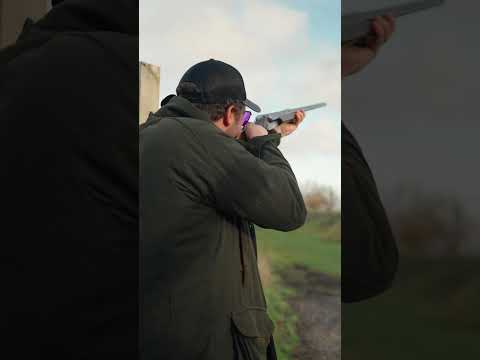
  55. 35:46Magazine Spring Orientation
  56. 36:10Magazine Follower Design
  57. 36:40Magazine Retainer Clip
  58. 37:38Grip Fitment Issues
  59. 38:03Before and After Comparison
  60. 38:13Test Firing Preparation
  61. 38:31Outdoor Test Firing
  62. 39:34Ammunition Details
  63. 40:15Test Firing Results
  64. 40:36Post-Test Cleaning and Maintenance
  65. 40:54Conclusion and Final Thoughts

Frequently Asked Questions

How do you clean a fire-damaged firearm like the Bergman Bayard 1910/21?

Restoring a fire-damaged firearm involves several steps. First, boil the components in water for about 45 minutes to loosen grime. Then, use a 3000-grit wire wheel and bead blasting to remove rust and residue without damaging the finish. Finally, apply a rust blue finish and reassemble.

What is the best way to refinish a firearm that has been damaged by fire?

For firearms damaged by fire, a rust blue finish is recommended. This process creates a durable, matte finish by chemically converting the steel's surface. It's crucial to properly prepare the surface through cleaning, boiling, and bead blasting before applying the rust blue solution.

What type of ammunition does the Bergman Bayard 1910/21 use?

The Bergman Bayard 1910/21 in this video is chambered for 9mm Largo, also known as 9x23. The ammunition used was surplus, corrosive, and Berdan-primed.

What are the key steps in reassembling a Bergman Bayard 1910/21 after restoration?

Reassembly involves carefully installing parts like the disconnector, safety spring, sear, trigger, magazine catch, locking block, and firing pin. Proper lubrication with zero-detergent oil is essential during reassembly to ensure smooth operation and prevent wear.

More Gunsmithing & DIY Videos You Might Like

More from Mark Novak

View all →