Brownells - Introduction to Cold Blue Finishes

Published on August 20, 2012
Duration: 6:50

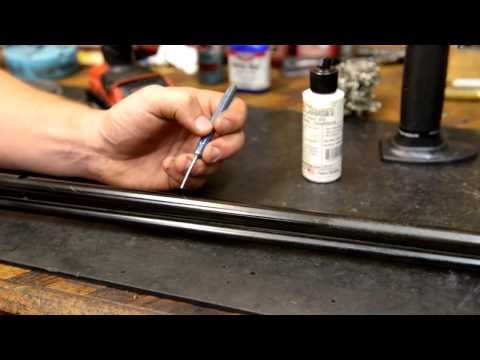
This video provides a comprehensive guide to using cold blue firearm finishes. It emphasizes proper surface preparation, cleaning with residue-free solvents like Brownells TCE, and careful application techniques to avoid streaking. The expert recommends specific products like Oxpho-Blue for full refinishing and 44/40 for touch-ups, stressing the importance of neutralizing the acidic solution afterward to prevent rust.

Quick Summary

Cold blues are acidic solutions that perform controlled corrosion on steel or iron surfaces. Proper surface preparation and cleaning with a no-residue solvent like Brownells TCE are critical. Apply sparingly, warm the metal if needed, and neutralize the solution afterward to prevent rust.

Chapters

  1. 00:00Introduction to Cold Blue
  2. 00:23Understanding Metal Alloys
  3. 00:54Surface Preparation Importance
  4. 01:44Cleaning and Degreasing
  5. 03:01Application Techniques
  6. 04:18Neutralizing the Solution
  7. 04:46Product Recommendations
  8. 05:08Remington 1100 Demo

Frequently Asked Questions

What are cold blues and what surfaces do they work on?

Cold blues are acidic solutions that create a controlled corrosion on steel or iron surfaces, effectively re-bluing firearm parts. They do not work on aluminum or certain types of castings.

Why is surface preparation important for cold bluing?

Surface preparation significantly impacts the final appearance. Highly polished surfaces require different care than matte or sandblasted finishes to ensure the cold blue matches the surrounding areas evenly.

What is the best way to clean a firearm before applying cold blue?

Proper cleaning is critical. Use a no-residue cleaner like Brownells TCE. Avoid solvents like kerosene or gasoline, as they can inhibit the chemical reaction needed for the cold blue to work effectively.

How should cold blue be applied to avoid streaks?

Apply cold blue sparingly to prevent streaking. Warming the metal can help the solution spread evenly. Use applicators like paper towels, Q-tips, or fine steel wool depending on the area being treated.

More Gunsmithing & DIY Videos You Might Like

More from Brownells, Inc.

View all →