
Videos tagged with Surface Preparation


This video provides a detailed, ASMR-style guide to restoring an M501A1 Mechanical Time Superquick Fuze, demonstrating advanced metalworking and assembly techniques. The process involves using specialized industrial machinery like bench grinders, shop presses, and lathes for precise component manipulation and finishing. The restoration concludes with protective coating and final assembly onto an artillery projectile and casing, showcasing professional ordnance handling.


This video demonstrates a practical gunsmithing technique using readily available sanding paper kits. The instructor highlights the utility of open-coat sandpaper for both metal and wood finishing, explaining how its design aids in clearing debris and maintaining lubrication. The guide covers selecting grits, preparing surfaces, and achieving smooth finishes on various components.


This video demonstrates the process of polishing steel using 800 and 1,000-grit wet and dry sandpaper. It emphasizes the importance of lubrication and observing 'swarf' as an indicator of material removal. The technique is applicable to various metal types and aims to achieve a mirror-like finish, a crucial step in firearm refinishing or custom work.

This guide details the process of polishing steel using 320-grit wet and dry sandpaper, following a previous 220-grit step. The instructor emphasizes using a light oil or lubricant to prevent rust and explains how to feel for surface imperfections as they are smoothed out. The importance of using fresh sandpaper as grit wears down is also highlighted, with the goal of achieving a noticeable reflection on the metal surface.
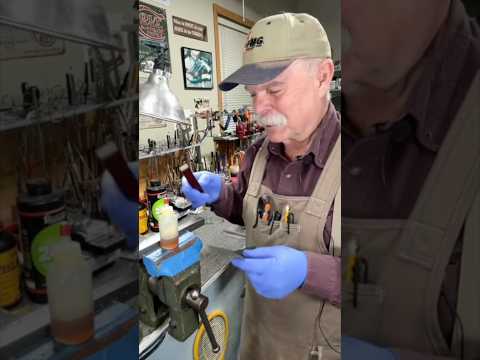
This guide details the process of polishing steel using 220 grit wet/dry sandpaper, a crucial step in firearm finishing. The instructor emphasizes the importance of using a flat backing block to achieve a smooth, wave-free surface and lubricating the process to keep the sandpaper clear. Following these steps helps remove imperfections like file and milling marks, leading to a significantly improved finish.
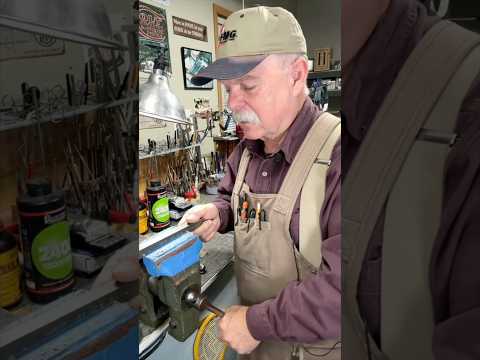
This video demonstrates the draw filing technique for preparing steel surfaces, a crucial step before cold bluing. The instructor emphasizes that draw filing involves drawing the file towards you, not drawing with it, to flatten uneven surfaces and remove imperfections. This method is presented as an alternative to buffing wheels, which can sometimes cause more problems. The process begins with a rough steel piece and progresses towards a smooth, flat surface ready for finer grit sandpaper.

