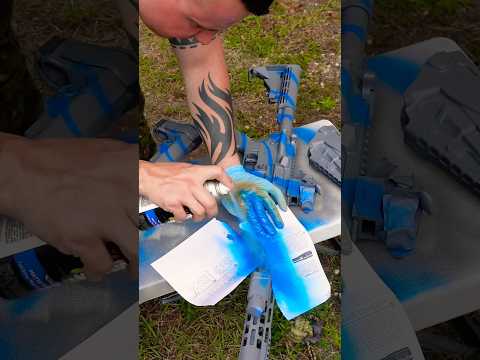
This video explores the topic of whether individuals paint their firearms. Given the title, it's likely to discuss the aesthetic, functional, or personal reasons behind customizing gun finishes. Potential content could include different painting techniques, color choices, durability considerations, and user opinions on modifying firearm appearance.
This video focuses on the artistic customization of a rifle with a 'Nuclear Wasteland' theme. While the title explicitly mentions a rifle and painting, it does not provide details about the specific rifle model, caliber, or any manufacturers involved. The content appears to be centered around the aesthetic modification of a firearm, likely for visual appeal rather than functional or practical purposes. The painting process itself is the primary subject.
This video from Hatchet Cast's "The Asset" series focuses on applying camouflage paint to firearms and tactical gear for improved environmental blending. Host Eric demonstrates preparation, base layer application, and the use of stencils for tactical patterns. The video also touches on the benefits of camouflaged gear for training, including improving long-range shooting skills, and showcases methods for using natural camouflage. Discount codes for various firearm accessory brands are promoted throughout.
This YouTube video from Brownells features Caleb presenting a "Quick Tip" on using cardboard as a practical and cost-effective method for holding small firearm parts during the painting process. The tutorial covers applications for air-cured finishes like Alumahyde 2 and oven-baked finishes such as Cerakote and GunKote. It addresses the temperature limitations of cardboard in ovens to prevent ignition and emphasizes how this technique can improve the efficiency and organization of firearm customization and maintenance projects. The video encourages viewer engagement through comments and offers direct support via their tech line.
This YouTube video provides a tutorial on how to paint a rifle, explaining the process and the reasons behind it. The creator shares their personal opinions and experiences accumulated over years, encouraging viewers to share their own thoughts in the comments. The video also includes links to the creator's Instagram and credits the music used. While not demonstrating specific firearm models or calibers, the content is directly aimed at rifle owners looking to customize their firearms.
This YouTube video, hosted by Caleb from Brownells, offers valuable tips on firearm painting. It specifically focuses on the techniques for holding and manipulating multiple firearm parts during the degreasing, painting, and curing processes. Key topics include optimal part handling for best results, and essential considerations for thermofit receivers, emphasizing the avoidance of painting their interiors. The content aims to help viewers achieve professional-looking finishes on AR-15 parts and other gun components, enhancing customization skills.
This video provides a detailed guide on how to paint firearm optics, continuing a series on firearm customization. It emphasizes the importance of personal protective equipment and proper preparation of the optic for painting. The tutorial specifically uses Aluma-Hyde II, highlighting its suitability for optics and other applications. Techniques covered include masking, protecting sensitive areas like glass, and effective methods for hanging the optic during the painting process. The video also offers tips for painting optic mounts and encourages community interaction for sharing knowledge. Viewers are invited to contact a tech line for assistance.
This guide details methods for applying camouflage patterns to firearms using Alumahyde II. It covers techniques involving netting, custom-made stencils, and paper masking. The video emphasizes proper PPE, preparation, and curing processes, including both air curing and accelerated oven curing. It also touches on planning patterns based on the intended environment.
This video from Brownells, hosted by Caleb, is the third part of a series demonstrating how to paint a firearm using Aluma-Hyde II. It focuses on the application process, covering essential techniques like proper spraying, handling difficult areas, adjusting spray nozzles, and essential gear like gloves. The video also details the curing process, including air and speed curing options, and provides post-spraying advice on clearing and storing spray cans. Important environmental factors like temperature and humidity, along with crucial safety reminders such as wearing a respirator and ensuring good ventilation, are emphasized. The series will continue with more advanced techniques and camo patterns.
This guide details the essential surface preparation steps for painting firearms with Aluma-Hyde II, covering various materials including aluminum, polymer, steel, and wood. It emphasizes thorough degreasing with acetone, optional grit blasting for enhanced durability, and proper component hanging techniques. The process aims to ensure optimal paint adhesion and a lasting finish by meticulously removing all oils and contaminants.
This guide details how to properly apply Brownells Aluma-Hyde II for a durable firearm finish. It emphasizes thorough surface preparation, correct application techniques to avoid common issues like 'reptile scale,' and the importance of adequate PPE. The video, presented by Caleb from Brownells, highlights Aluma-Hyde II's epoxy ester base and its superior rust inhibition and wear resistance compared to standard acrylic enamels.
This guide details how to apply a winter camouflage pattern to an AR-15 rifle using spray paint. It covers selecting appropriate colors, masking sensitive components like optics, applying base and accent colors with stencils, and the crucial drying and de-masking steps. The process is demonstrated on an AR-15 built by FSAAP (Fed R), noting its simplified design without a forward assist or bolt release.
Gun Laws by State
Read firearms regulations for all 50 states + D.C.
Find Gun Dealers
Search licensed FFL dealers near you.