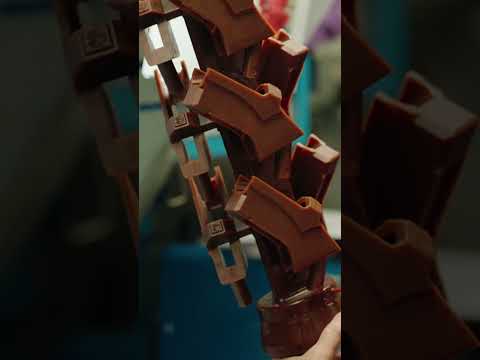
BTS of Making a Muzzleloader.

Published on August 26, 2024
Duration: 1:00

This behind-the-scenes look at muzzleloader manufacturing highlights the critical process of metal casting. It emphasizes precise temperature control, impurity removal, and a narrow six-second pouring window to achieve a superior part. The video showcases the coordination required for this high-temperature operation.

Quick Summary

Muzzleloader manufacturing emphasizes precise metal casting, requiring controlled temperatures, impurity removal, and a critical six-second pour window. The metal reaches 1800°F, glowing cherry red, and vacuum casting ensures proper mold fill for superior parts.

Chapters

  1. 00:00Metal Temperature and Impurity Control
  2. 00:05The Critical Pouring Window
  3. 00:12Molten Metal Preparation
  4. 00:21Casting Temperature: 1800 Degrees
  5. 00:30Vacuum Casting Process
  6. 00:37Worker Coordination and Safety
  7. 00:46Pouring and Cooling
  8. 00:54Achieving Superior Parts

Frequently Asked Questions

What are the key factors in successful muzzleloader metal casting?

Successful muzzleloader metal casting relies on precise temperature control of the metal, thorough removal of impurities, and executing the pour within a very narrow six-second window to ensure a superior final part.

How hot does the metal get during muzzleloader component casting?

During the casting process for muzzleloader components, the metal reaches approximately 1800 degrees Fahrenheit, which is visually indicated by the material glowing a cherry red color.

What role does vacuum play in muzzleloader manufacturing?

A vacuum is utilized in muzzleloader manufacturing during the casting phase to ensure that the molten metal flows correctly and fills all intricate details of the mold, contributing to a high-quality component.

More Gunsmithing & DIY Videos You Might Like

More from Thompson/Center Arms

View all →