Checkering Tools on the Bench

Published on March 27, 2024
Duration: 7:24

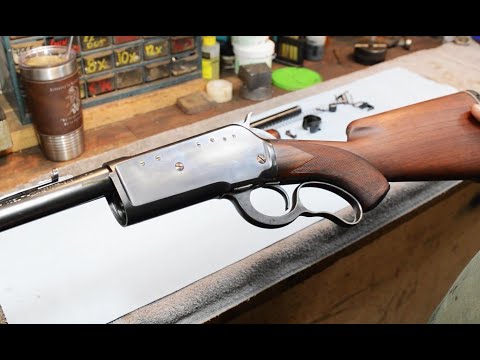
This video demonstrates various checkering tools and techniques used by Mark Novak for firearm stocks. It covers the setup of a powered checkering tool, different cutter angles and their applications, specialized tools like chasing chisels and bordering tools, and essential accessories such as china markers and movable lighting for detailed work on gunstocks.


Quick Summary

Firearm checkering tools include powered units with adjustable fences for depth and position. Different cutter angles, like 75° for groove bottoms and 90° for diamond tops, are essential. A 90° pull cutter offers control in corners, and china markers are preferred for layout to avoid denting the wood.

Chapters

  1. 00:01Introduction & Tool Fence Explanation
  2. 00:18Checkering Tool Fence Adjustment
  3. 00:44Powered Checkering Tool Overview
  4. 01:03Almond Precision Cutter Details
  5. 01:18Cutter Angles: 75° vs. 90°
  6. 01:56Tool Back Ends & Cutaways
  7. 02:18Fine 90° Cutter & Dem-ard Heads
  8. 02:4490° Pull Cutter Functionality
  9. 03:14Chasing Chisel for Detail Work
  10. 03:35Bespoke Screwdriver & Angle Adjustment
  11. 04:15Narrow Bordering Tool
  12. 05:00Brush for Cleaning Sawdust
  13. 05:17China Marker for Layout
  14. 05:43File Card Usage
  15. 06:00Portable Tool Stand
  16. 06:17Movable Light Source Importance
  17. 07:06Conclusion & On-Bench Equipment

Frequently Asked Questions

What are the key adjustments on a powered checkering tool?

A powered checkering tool features an adjustable fence with a stop to set cut depth and an in-and-out screw mechanism to precisely position the fence relative to the cutter.

What is the difference between 75-degree and 90-degree checkering cutters?

75-degree cutters are ideal for reaching deep into the bottoms of checkering grooves, while 90-degree cutters are best suited for creating the sharp tops of diamond patterns.

Why is a pull cutter useful for checkering?

A 90-degree pull cutter allows you to cut on the pull stroke, providing greater control when working into corners or along edges, and helps prevent accidental overruns.

What is the best way to mark checkering patterns on wood?

It's recommended to use a china marker for laying out checkering patterns on wood. Regular pencils can dent the wood, whereas china markers are less likely to cause damage and can be easily removed with water.

More Gunsmithing & DIY Videos You Might Like

More from Mark Novak

View all →