Czech vz61 Skorpion: History and Mechanics

Published on September 11, 2025
Duration: 1:02

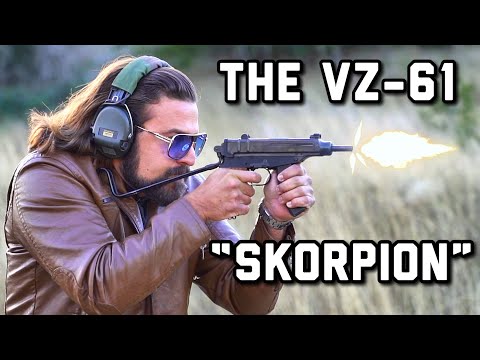
This guide details the mechanics of the vz. 61 Skorpion machine pistol, focusing on its closed-bolt, hammer-fired operation and the unique inertial rate reducer located in the grip. Expert Ian McCollum highlights the sophisticated engineering behind this Czechoslovakian firearm.

Quick Summary

The vz. 61 Skorpion is a hammer-fired machine pistol operating from a closed bolt. Its unique rate reducer, an inertial mechanism in the grip, controls the cyclic rate of fire by delaying bolt return. This sophisticated design, chambered in .32 ACP, was developed in Czechoslovakia.

Chapters

  1. 00:00Introduction and Stock Design
  2. 00:11Firing Mechanism
  3. 00:16Rate Reducer Mechanics
  4. 00:44Slow-Motion Firing
  5. 00:53Conclusion

Frequently Asked Questions

What is the primary firing mechanism of the vz. 61 Skorpion?

The vz. 61 Skorpion is a hammer-fired firearm that operates from a closed bolt, distinguishing it from many submachine guns that utilize an open-bolt design.

How does the rate reducer work in the vz. 61 Skorpion?

The rate reducer is an inertial mechanism in the pistol grip. When the bolt recoils, it strikes a plunger, which is thrown into a tube. A hook then holds the bolt back until the plunger returns, slowing the rate of fire.

What caliber does the vz. 61 Skorpion typically fire?

The vz. 61 Skorpion is chambered in .32 ACP, also known as 7.65x17mm Browning, a relatively small pistol cartridge.

Who is the expert discussing the vz. 61 Skorpion?

The firearm is discussed by Ian McCollum, the host of the Forgotten Weapons channel, known for his deep mechanical knowledge and historical context.

More Gunsmithing & DIY Videos You Might Like

More from Forgotten Weapons

View all →