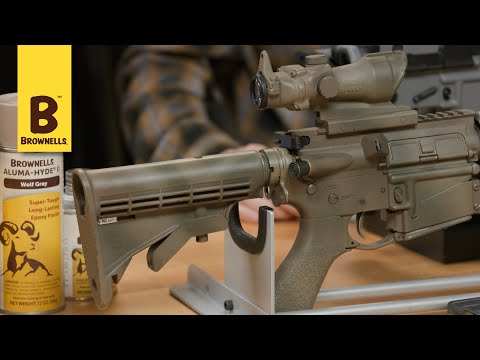
DuraCoat Finished Product: Remington 700P

Published on January 21, 2009
Duration: 5:52

This guide details the process of applying DuraCoat and Brownells Aluma-Hyde finishes to firearms and accessories, drawing from nutnfancy's experience with a Remington 700P. It covers essential surface preparation techniques, including sanding and the importance of avoiding silicone lubricants for optimal adhesion. The video also touches on camouflage philosophy, emphasizing the effectiveness of lighter, natural colors over black for concealment in outdoor environments.

Quick Summary

Expert firearm finishing involves proper surface preparation, including sanding with 400-grit sandpaper and fine steel wool for DuraCoat adhesion, and avoiding silicone lubricants like Militec. Lighter colors (tan, OD green) are recommended for camouflage over black. Brownells Aluma-Hyde offers high abrasion resistance, complementing epoxy finishes like DuraCoat.

Chapters

  1. 00:00Introduction: DuraCoated Remington 700P
  2. 00:31Scope Prep & Color Choice
  3. 01:37Bipod & Aluma-Hyde Finish
  4. 02:05Camouflage Philosophy
  5. 04:00Technical Tips & Accessories

Frequently Asked Questions

What is the best way to prepare a rifle for DuraCoat finishing?

For DuraCoat, proper surface preparation is key. This involves sanding the metal with 400-grit sandpaper and using fine steel wool to create a rough texture. This ensures the epoxy finish adheres effectively, preventing future peeling or failure. Always ensure the surface is clean and free of oils or lubricants before application.

Why is avoiding silicone lubricants important before applying firearm finishes?

Silicone-based lubricants, such as Militec, can penetrate the metal pores of a firearm. This penetration prevents other coatings, like DuraCoat or Aluma-Hyde, from adhering properly, leading to finish failure. It's crucial to thoroughly clean the firearm and remove any residual silicone before applying any new finish.

What are the advantages of using lighter colors for rifle camouflage?

Lighter colors such as tan, OD green, or sage are superior for concealing precision rifles in natural environments compared to black. While black guns may appear intimidating, they stand out significantly against natural backdrops, compromising stealth. Light, earth-toned colors blend more effectively with foliage and terrain.

How does Brownells Aluma-Hyde compare to DuraCoat for firearm finishing?

Brownells Aluma-Hyde is known for its high abrasion resistance and durability, making it a robust option for firearm components. While DuraCoat is an epoxy-based finish, Aluma-Hyde is a different type of coating valued for its toughness, suitable for accessories like bipods where wear resistance is paramount.

More Gunsmithing & DIY Videos You Might Like

More from nutnfancy

View all →