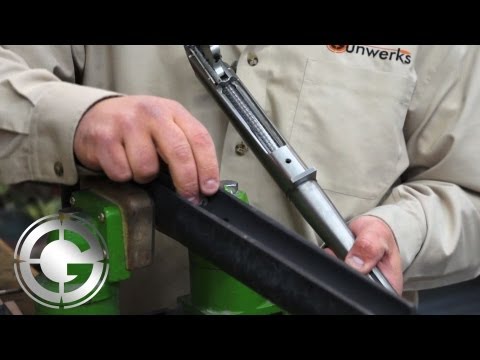
EP 107: Ask Aaron - The Art of Manufacturing

Published on June 6, 2022
Duration: 28:42

This episode of the Long Range Pursuit podcast delves into Gunwerks' manufacturing operations and supply chain strategies, featuring insights from Jackie Smith, Director of Manufacturing Operations. The discussion covers the challenges and successes of relocating their facility, the importance of vertical integration for controlling lead times and quality, and the strategic investment in automation and skilled labor. The goal is to enhance customer delivery speed, product quality, and cost-effectiveness by bringing more manufacturing processes in-house.

Quick Summary

Gunwerks enhances its manufacturing by focusing on vertical integration, bringing processes like suppressor and aluminum parts production in-house. This strategy significantly reduces customer lead times, improves product quality through direct control, and mitigates supply chain risks by managing raw material inventory and production flow.

Chapters

  1. 00:00Introduction to Long Range Pursuit Podcast
  2. 00:18Welcome and Guest Introduction: Jackie Smith
  3. 00:27Topic: Gunwerks Headquarters & Manufacturing Operations
  4. 01:36Manufacturing Operations Move & Organization
  5. 02:27Recollections of Moving into the New Facility
  6. 03:35Timeframe for Production Resumption Post-Move
  7. 04:36Biggest Challenge During Facility Move
  8. 05:20Rearranging Operations for Optimization
  9. 05:55Regret: Lack of Powered Rails in Manufacturing Space
  10. 06:32The 'Why' Behind the New Building and Changes
  11. 06:52Goals: Floor Space, Adding Machines, In-House Production
  12. 07:13Challenges of Being an 'In-Between' Sized Company
  13. 08:07Example Material Problem: Composites
  14. 09:00Vertical Integration: Buying Raw Material State
  15. 09:41Lead Times for External Vendor Parts
  16. 10:45Benefits of In-House Manufacturing for Customers
  17. 11:04Lead Time Reduction: The Biggest Benefit
  18. 11:32Historical Rifle System Lead Time at Gunwerks
  19. 12:02Traditional Custom Rifle Build Process
  20. 13:38Replenishing Safety Stock and Forecasting
  21. 13:55Benefits of Vertical Integration: Time, Cost, Quality
  22. 14:56Quality Improvement Through In-House Production
  23. 15:45Cost Considerations of In-House Manufacturing
  24. 15:55Cost Savings Example: Suppressors
  25. 16:33Cost Analysis: Composite Stocks
  26. 17:07Customer Benefit: Higher Quality Design and Fit/Finish
  27. 17:43Future Push: Bringing Aluminum Parts In-House
  28. 18:03Mitigating Supply Chain Risk Through Vertical Integration
  29. 18:16COVID-19 Impact and Inventory Hoarding
  30. 19:12Increasing Demand and Inventory Challenges
  31. 19:41Maturity in Employee Recruitment and Retention
  32. 20:21Upcoming Challenges in Facility and Supply Chain Management
  33. 20:30Material Handling Bottlenecks
  34. 21:09Disruptions from New Product Lines
  35. 21:38Purchasing Machine Equipment & Four-Day Work Schedule
  36. 22:06Buying Machines Geared for Automation
  37. 22:35Automation Requires Higher Skilled Employees
  38. 23:13Staffing Challenges: Machinist Recruitment
  39. 24:05Recruiting from Trade Schools
  40. 24:30Attracting Older, Experienced Talent
  41. 25:40Range of Experience on the Shop Floor
  42. 26:11Mentorship and Employee Growth Culture
  43. 26:39Conclusion and Preview of Part Two
  44. 27:32Wrapping Up the Episode
  45. 27:50Podcast Outro and Support Information

Frequently Asked Questions

What are the main benefits of Gunwerks bringing manufacturing in-house?

Bringing manufacturing in-house allows Gunwerks to significantly reduce lead times for customers, gain better control over product quality through instant feedback and adjustments, and potentially manage costs more effectively, especially for components like suppressors.

How does Gunwerks address supply chain challenges with its manufacturing strategy?

Gunwerks mitigates supply chain risks by increasing vertical integration, purchasing raw materials in bulk, and maintaining strategic inventory levels. This approach ensures production continuity, even during global disruptions like the COVID-19 pandemic.

What is the role of automation in Gunwerks' manufacturing operations?

Automation, particularly through advanced CNC machines capable of extended unattended operation, is crucial for increasing manufacturing throughput. This strategy helps meet rising customer demand without necessarily increasing staffing levels or disrupting the four-day work schedule.

How does Gunwerks recruit and develop skilled labor for its advanced manufacturing needs?

Gunwerks actively recruits from trade schools and partners with colleges to secure new talent. They also focus on attracting experienced machinists and fostering a strong mentorship culture on the shop floor, where seasoned employees guide newer ones.

More Gunsmithing & DIY Videos You Might Like

More from Gunwerks

View all →