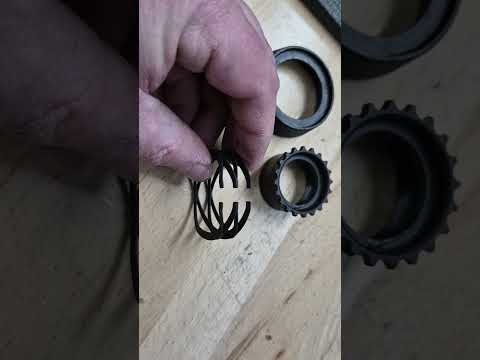
Even More AR Builder Mistakes

Published on April 12, 2024
Duration: 14:29

This guide details common AR-15 assembly errors, focusing on critical steps like barrel nut indexing and disconnector spring orientation. Experts from Brownells emphasize the importance of correct torque for the barrel nut (35-80 ft-lbs) and proper seating of the disconnector spring's flared end to prevent dangerous malfunctions. It also highlights the need for 'Oops Kits' containing spare small parts due to their tendency to get lost during builds.

Quick Summary

Common AR-15 assembly errors include incorrect barrel nut torque (should be 35-80 ft-lbs for proper gas tube alignment) and improper disconnector spring orientation (flared end must seat in trigger). These mistakes can cause dangerous malfunctions. Experts recommend 'Oops Kits' for spare small parts and emphasize correct spring identification to ensure reliable function.

Chapters

  1. 00:00Introduction: Common AR-15 Builder Mistakes
  2. 00:41Barrel Nut Indexing and Torque
  3. 04:30Spare Small Parts (Oops Kits)
  4. 06:37Castle Nut Orientation
  5. 09:03Disconnector Spring Orientation
  6. 11:16Spring Identification Errors

Frequently Asked Questions

What is the correct torque range for an AR-15 barrel nut?

The correct torque range for an AR-15 barrel nut is typically between 35 and 80 ft-lbs. This range allows for proper alignment of the gas tube without requiring excessive force or modifications like grinding teeth.

Why is the orientation of the disconnector spring important in an AR-15?

The disconnector spring's flared end must be seated correctly in the trigger. Incorrect installation can cause the disconnector to stick, leading to dangerous malfunctions such as 'doubling' or a failure to fire, compromising firearm safety and reliability.

What are 'Oops Kits' and why are they recommended for AR-15 builders?

'Oops Kits' are essential for AR-15 builders as they contain spare small parts like detents and springs that are easily lost during assembly. Having these on hand prevents delays and frustration, especially for novice builders.

How can builders avoid confusing the disconnector spring with the bolt catch spring?

Builders should be aware that the disconnector spring and bolt catch spring are different. The disconnector spring is designed for the trigger group and is too large for the bolt catch channel, while the bolt catch spring is smaller. Using the wrong spring will result in functional failures.

Related News

All News →

More Gunsmithing & DIY Videos You Might Like

More from Brownells, Inc.

View all →