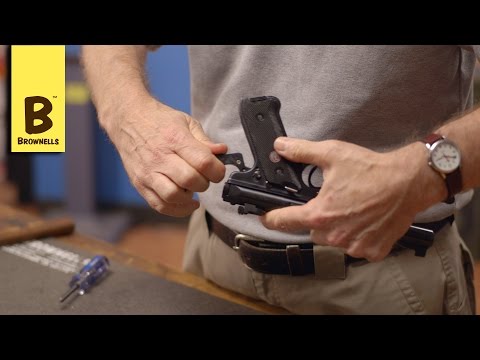
Firearm Maintenance: Ruger Mark I,II,III Cleaning - Part 2/4

Published on July 25, 2014
Duration: 2:18

This guide details the cleaning process for Ruger Mark I, II, and III pistols, focusing on post-disassembly steps. It covers essential supplies and methodical cleaning of the barrel, receiver, bolt, recoil spring, frame, and mainspring housing. The instruction emphasizes attention to fouling areas like the bolt face and proper use of solvents and spray cleaners.

Quick Summary

To clean a Ruger Mark I, II, or III pistol, gather .22 caliber cleaning tools, solvent (like Hoppe's No. 9), and spray cleaner. Clean the barrel with solvent and a brush, then scrub the receiver and bolt face, paying attention to carbon buildup. Flush debris from the frame with spray cleaner.

Chapters

  1. 00:00Introduction to Ruger Mark Series Cleaning
  2. 00:07Essential Cleaning Supplies
  3. 00:24How to Clean the Barrel
  4. 00:53Cleaning the Receiver
  5. 01:12Cleaning the Bolt and Recoil Spring
  6. 01:30Cleaning the Frame and Mainspring Housing

Frequently Asked Questions

What supplies are needed to clean a Ruger Mark I, II, or III pistol?

You'll need a .22 caliber cleaning rod, brushes, mops, patches, a solvent like Hoppe's No. 9, a nylon brush, and a spray cleaner such as TCE or Gun Scrubber for effective maintenance.

How do you properly clean the barrel of a Ruger Mark series pistol?

Start by running a solvent-soaked patch through the bore, letting it sit briefly. Then, use a bore brush to scrub out fouling, followed by dry patches until they come out clean.

What specific areas require extra attention when cleaning a Ruger Mark pistol?

Pay close attention to the bolt face, as carbon buildup is common there. Also, ensure thorough cleaning of the receiver and frame interiors where powder residue accumulates.

Can I use common household cleaners for my Ruger Mark pistol?

It's recommended to use firearm-specific solvents and cleaners like Hoppe's No. 9 or Gun Scrubber. Household cleaners may not be effective and could potentially damage firearm components.

More Gunsmithing & DIY Videos You Might Like

More from Brownells, Inc.

View all →