Fitting a 1911 Thumb Safety on RECOILtv DIY (full episode)

Published on September 29, 2016
Duration: 6:08

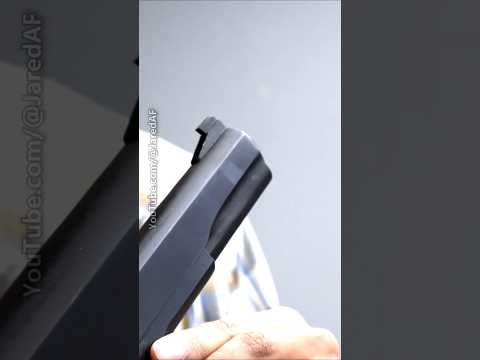
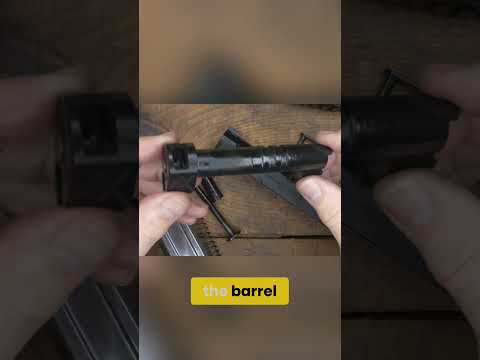
This RECOILtv DIY episode demonstrates the precise process of fitting a 1911 thumb safety, emphasizing a custom fit achieved through meticulous filing. Jason Burton of Heirloom Precision highlights the importance of iterative testing with a fine-cut file to ensure proper engagement with the sear without over-cutting. The video covers tool selection, the initial fitting challenges, and crucial safety checks before live-fire testing.

Quick Summary

Fitting a 1911 thumb safety requires careful filing of the lobe, which is intentionally oversized for a custom fit. Use a #2 fine-cut file, making slow strokes and frequent test fits to ensure a flat surface parallel to the sear without over-cutting. Always perform safety checks on an unloaded firearm.

Chapters

  1. 00:00Introduction: Fitting a 1911 Thumb Safety
  2. 00:26Required Tools for Safety Fitting
  3. 00:59Initial Fitting & Challenges
  4. 01:41Filing the Thumb Safety Lobe
  5. 03:22Iterative Testing and Refinement
  6. 04:43Safety Function Checks
  7. 05:50Conclusion & Live Fire Testing

Frequently Asked Questions

What tools are needed to fit a 1911 thumb safety?

You'll need a #2 fine-cut file for precise material removal, a bench block to support the part, and of course, the 1911 pistol and the new thumb safety you intend to fit.

Why won't a new 1911 thumb safety fit immediately?

New thumb safeties often have an oversized lobe designed for a custom fit. This ensures that after precise filing, it will engage correctly with the sear, providing a tight and reliable function.

What is the key technique for filing a 1911 thumb safety lobe?

The key is iterative filing. Use slow, single strokes with a fine-cut file, making frequent test fits. The goal is to achieve a flat surface parallel to the sear's relief cut without removing too much material.

How do you perform safety checks after fitting a 1911 thumb safety?

First, ensure the pistol is unloaded. Then, check that the safety positively engages, preventing the hammer from falling. Finally, confirm it disengages smoothly, allowing the hammer to fall freely.

Related News

All News →

More Gunsmithing & DIY Videos You Might Like

More from RECOILtv

View all →