Glock Gen 5 Gauntlet Cleaning & Lubrication

Published on September 18, 2017
Duration: 28:09

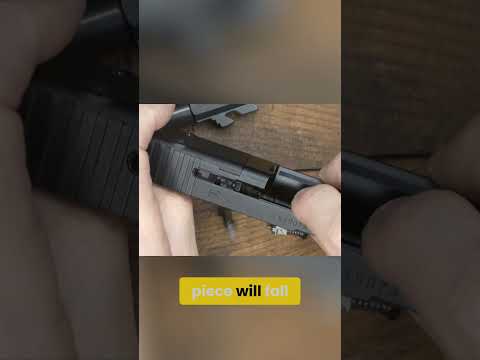
This video provides a detailed, step-by-step guide on how to field strip, clean, and reassemble a Glock Gen 5 pistol after a 'gauntlet test'. The instructor, Honest Outlaw, demonstrates the process, highlighting common challenges like stubborn pins and the importance of thorough drying and lubrication. He emphasizes that while Glocks are generally easy to disassemble, post-extreme-condition cleaning requires attention to detail, especially in the slide and frame crevices. The guide covers magazine disassembly, slide internals, frame components, and reassembly, offering practical tips and acknowledging potential difficulties.

Quick Summary

Cleaning a Glock Gen 5 after extreme use involves field stripping, thoroughly rinsing and scrubbing all parts with water and brushes, and ensuring complete drying. Apply CLP to metal components, especially slide rails, to prevent rust. Pay attention to crevices and internal parts like the striker channel and magazine inserts for a comprehensive clean.

Chapters

  1. 00:06Introduction and Gauntlet Test Aftermath
  2. 00:26Initial Cleaning Steps: Water Rinse and Scrubbing
  3. 01:10Using Brushes for Cleaning
  4. 01:34Challenges of Cleaning Glocks After Gauntlet Test
  5. 01:56Cleaning the Barrel
  6. 02:12Tackling the Slide Internals
  7. 02:31Magazine Disassembly
  8. 03:13Magazine Base Plate Removal Technique
  9. 04:03Alternative Tools for Magazine Disassembly
  10. 04:37Rinsing Magazine Components
  11. 05:05Cleaning the Metal Insert in Glock Magazines
  12. 05:42Glock Rust Issues and Prevention
  13. 06:42Slide Disassembly: Back Plate Removal
  14. 07:11Removing Slide Internals (Striker, Firing Pin)
  15. 07:31Extractor and Plunger Removal
  16. 07:53Lower Frame Disassembly: Pins and Locking Block
  17. 08:41Trigger Group and Reset Issues
  18. 09:14Full Field Strip of Glock Gen 5
  19. 09:28Magazine Release Removal
  20. 09:40Takedown Lever Removal (Gen 5 vs. Older)
  21. 10:15Using Glock Disassembly Tool
  22. 10:48Trigger Assembly Disassembly
  23. 11:48Overview of Disassembled Parts
  24. 11:52Rinsing and Drying All Parts
  25. 12:21Using Compressed Air for Cleaning
  26. 13:00Checking Striker Assembly Cleanliness
  27. 13:34Comparison of Glock Gen 5 vs. CZ P10C Cleanliness
  28. 14:01Drying Parts and Preparing for Deep Cleaning
  29. 14:13Deep Cleaning with Brushes and T-Shirt Scraps
  30. 14:50Cleaning Frame Crevices
  31. 15:14Caution with Metal Tools on Frames
  32. 15:54Cleaning the Slide
  33. 16:20Cleaning Slide Rails
  34. 17:13Importance of Clean Slide Rails
  35. 18:02Cleaning the Striker Channel
  36. 19:37Rust on the Barrel
  37. 20:19Reassembly: Magazine Release Installation
  38. 21:20Takedown Lever Reassembly (Gen 5)
  39. 22:23Installing Takedown Lever and Magazine Release
  40. 22:29Trigger Group Reinstallation
  41. 23:03Locking Block and Pin Installation
  42. 23:39Back Strap Reinstallation
  43. 24:27Lower Frame Reassembly Complete
  44. 24:31Slide Reassembly: Extractor and Spring
  45. 25:28Striker Assembly and Firing Pin Installation
  46. 25:44Reattaching the Back Plate
  47. 26:23Final Slide and Frame Assembly
  48. 26:41Function Check and Conclusion
  49. 27:12Impact of Cleaning on Trigger Pull
  50. 27:25Video Conclusion and Call to Action

Frequently Asked Questions

How do you field strip a Glock Gen 5 for cleaning?

To field strip a Glock Gen 5, pull down the slide lock levers. Then, remove the barrel and recoil spring assembly from the slide. For a more thorough cleaning, you'll need to completely disassemble the slide and frame components.

What are the common challenges when cleaning a Glock Gen 5 after extreme use?

After extreme conditions like a 'gauntlet test,' cleaning a Glock Gen 5 can be challenging due to debris under the take-down levers, which may require extra force or tools like channel locks. Stubborn pins and the accumulation of dirt in crevices are also common issues.

How do you clean the inside of Glock Gen 5 magazines?

To clean Glock Gen 5 magazines, disassemble them by pressing the base plate tabs. Rinse all parts, scrub them, and ensure they are thoroughly dried. Pay attention to the metal insert inside the magazine body, as it can rust if not properly protected with CLP.

What is the recommended lubricant for a Glock Gen 5?

CLP (Cleaner, Lubricant, Protectant) is recommended for cleaning and lubricating Glock Gen 5 components. It helps remove dirt, protect against rust, and ensure smooth operation of the firearm's parts.

Are there any specific rust concerns with Glock Gen 5 pistols?

Yes, the instructor notes that Glock Gen 5 pistols, and newer generations in general, can be prone to rusting more easily than older models. It's crucial to ensure all parts are thoroughly dried and protected with a lubricant like CLP after cleaning.

More Gunsmithing & DIY Videos You Might Like

More from Honest Outlaw

View all →