Gunsmithing - Upgrading a Pair of LC Smith Locks Presented by Larry Potterfield of MidwayUSA

Published on January 27, 2014
Duration: 5:27

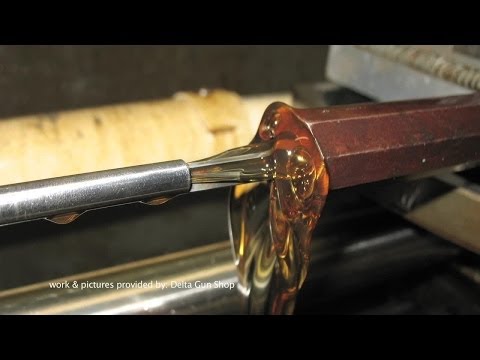
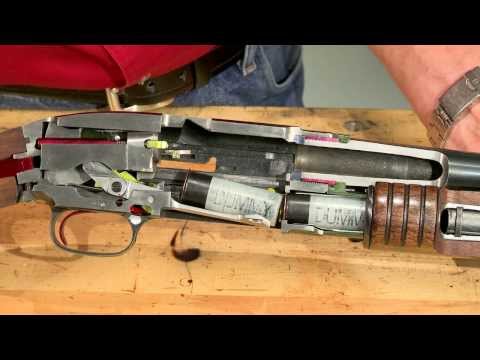
This video details the advanced gunsmithing process of upgrading LC Smith sidelock shotgun locks. It covers disassembly using specialized tools, meticulous polishing from 280 to 1000 grit, decorative jeweling (engine turning) on the lock plate and bridle, and aesthetic enhancements like copper and gold plating on the hammer and sear. The process concludes with niter bluing for springs and screws, achieving a superior finish.

Quick Summary

Advanced gunsmithing on LC Smith sidelock shotguns involves meticulous polishing to a mirror finish using abrasives up to 1000 grit, decorative jeweling with an abrasive rod, and aesthetic enhancements like copper and gold plating on internal parts.

Chapters

  1. 00:00Intro to LC Smith Shotguns
  2. 00:48Sidelock Design & Aesthetics
  3. 01:27Disassembly Process
  4. 01:57Polishing Internal Parts
  5. 02:14Jeweling (Engine Turning)
  6. 03:23Gold Plating Components
  7. 04:19Niter Bluing
  8. 04:45Final Polishing & Reassembly

Frequently Asked Questions

What are the main internal parts of an LC Smith sidelock?

The LC Smith sidelock design is notably simple, consisting primarily of four major internal components: the hammer, the sear, the mainspring, and the bridle. High-grade models often featured polished and jeweled versions of these parts.

How is jeweling performed on shotgun parts?

Jeweling, also known as engine turning, is a decorative metal finishing process. It's typically done using an abrasive rod rotated in a milling machine against the firearm's parts, like the lock plate and bridle, creating a pattern of overlapping swirls.

What is the process for gold plating LC Smith shotgun parts?

Gold plating involves first applying a layer of copper to the parts, such as the hammer and sear, to ensure good adhesion. Then, an electroplating process using a brush-on gold solution is employed to achieve the desired gold finish.

How is niter bluing applied to firearm components?

Niter bluing is achieved by immersing components like springs and screws into a bath of potassium nitrate heated to approximately 600 degrees Fahrenheit. This process creates a durable, brilliant blue finish without negatively impacting the metal's temper.

Related News

All News →

More Gunsmithing & DIY Videos You Might Like

More from MidwayUSA

View all →