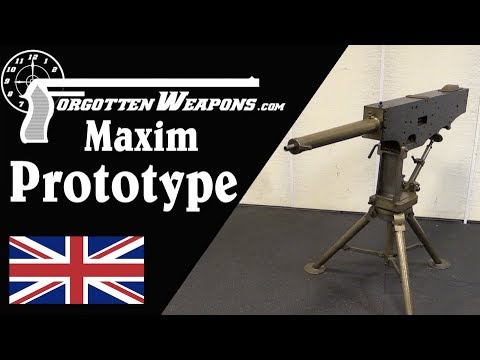
Hiram's Extra Light Maxim Gun

Published on August 7, 2019
Duration: 12:19

This entry details the Hiram Maxim Extra Light Maxim Gun, a rare air-cooled variant developed around 1895. It highlights its significantly reduced weight (27-28 lbs) compared to standard Maxims, intended for mobile cavalry use. Key features include its .303 British caliber, specific markings, and internal design changes like the relocated fusee spring. Despite its innovative design, it was a commercial failure with only 135 units produced.


Quick Summary

The Hiram Maxim Extra Light Maxim Gun was a rare, air-cooled variant developed circa 1895, weighing only 27-28 lbs. Chambered in .303 British, it aimed for greater mobility but suffered from overheating and ammunition sensitivity due to its unique internal design changes, ultimately leading to its commercial failure with only 135 units produced.

Chapters

  1. 00:00Introduction to the Extra Light Maxim
  2. 01:25Weight and Intended Use
  3. 02:50Markings and Caliber
  4. 03:53Cooling System Limitations
  5. 04:58Controls and Ergonomics
  6. 06:05Sighting System
  7. 07:02Internal Design Changes
  8. 09:28Action and Feed Mechanism
  9. 10:20Commercial Failure and Legacy

Frequently Asked Questions

What made the Extra Light Maxim Gun unique compared to standard Maxim models?

The Extra Light Maxim was a significantly lighter, air-cooled variant weighing around 27-28 lbs, designed for increased mobility, unlike the heavier, water-cooled standard Maxims.

What were the main drawbacks of the Extra Light Maxim Gun's design?

Its primary limitations included rapid overheating due to insufficient ventilation in the air-cooled jacket and sensitivity to ammunition variations caused by the relocated, non-adjustable fusee spring.

What caliber was the Extra Light Maxim Gun chambered in?

The Extra Light Maxim Gun was chambered in .303 British, intended for use with ammunition prevalent in the British military at the time of its development around 1895.

Why was the fusee spring relocated in the Extra Light Maxim?

The fusee spring was moved inside the receiver, likely to protect it from external damage. However, this change removed the ability to adjust its tension, impacting the gun's reliability with different ammunition types.

Related News

All News →

More Gunsmithing & DIY Videos You Might Like

More from Forgotten Weapons

View all →