History of WWI Primer 011: German Becker & Hollander Beholla Pistol Documentary

Published on October 27, 2015
Duration: 17:07

This guide details the field stripping process for the Becker & Hollander Beholla pistol, a WWI-era commercial firearm. It highlights the unique, albeit cumbersome, takedown procedure involving a driftable pin. The video emphasizes the pistol's internal mechanics, including its blowback action and striker-fired system, as demonstrated by expert instructors from C&Rsenal.

Quick Summary

The Becker & Hollander Beholla pistol is a WWI-era compact firearm chambered in .32 ACP with a 7-round capacity. Its design, influenced by the 'Little Tom' pistol, features a blowback, single-action striker-fired mechanism. While praised for its quality, its limited capacity and cumbersome takedown made it less ideal for military combat.

Chapters

  1. 00:00Introduction and WWI Context
  2. 00:40Beholla Pistol Overview
  3. 01:40Origins and the 'Little Tom'
  4. 02:40Field Strip and Design Features
  5. 04:38Manufacturers and Variants
  6. 06:12Internal Mechanics
  7. 07:00Range Testing
  8. 09:13Shooter Assessment
  9. 12:52Final Verdict

Frequently Asked Questions

What are the key specifications of the Becker & Hollander Beholla pistol?

The Beholla is a compact pistol measuring 5.5 inches overall and weighing 1.4 lbs unloaded. It is chambered in .32 ACP (7.65x17mm) and typically has a 7-round magazine capacity. It operates via a blowback, single-action striker-fired mechanism.

How does the Beholla pistol's design relate to the 'Little Tom' pistol?

The Beholla's design is heavily influenced by Alois Tomiska's 'Little Tom' pistol. However, the Beholla is a simplified version, featuring a single-action striker-fired trigger mechanism, contrasting with the 'Little Tom's' double-action trigger and top-loading magazine.

What is notable about the Beholla pistol's field stripping process?

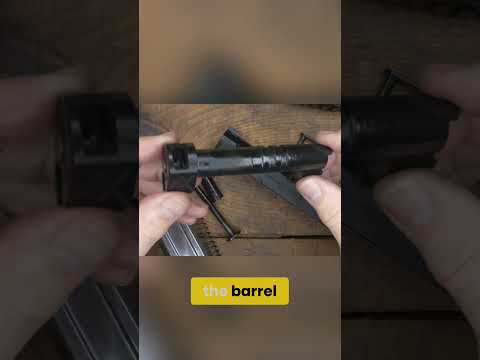
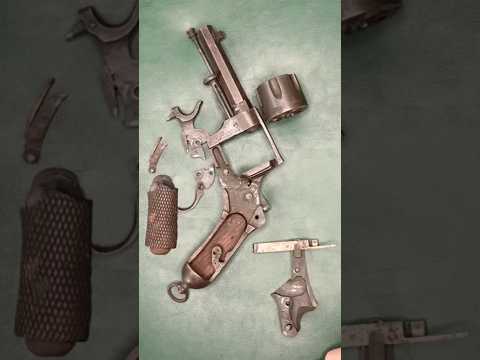
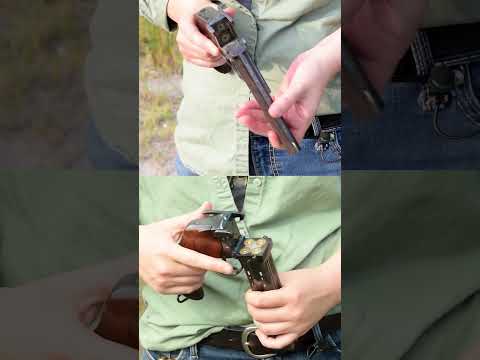
Field stripping the Beholla involves a unique but cumbersome procedure. It requires drifting out a small pin located on the left side of the frame, which then allows the slide and barrel assembly to be separated from the frame. This process is detailed by the instructors.

What were the primary criticisms of the Beholla pistol for military use?

Experts note that while the Beholla was a high-quality commercial pocket pistol, it was ill-suited for battlefield conditions due to its limited 7-round capacity, small grip size, and a maintenance process described as difficult and cumbersome.

More Gunsmithing & DIY Videos You Might Like

More from C&Rsenal

View all →