History of WWI Primer 092: The "Montenegrin" Documentary

Published on January 15, 2019
Duration: 47:36

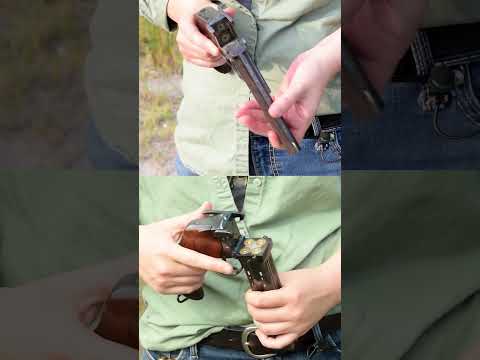
This guide details the disassembly and inspection of the Montenegrin Gasser revolver, emphasizing safety and the identification of potential issues, particularly with Belgian-made variants. It highlights the importance of checking for wear and structural integrity, drawing on expert knowledge from C&Rsenal.

Quick Summary

The Montenegrin Gasser revolver, a significant firearm in Montenegrin history, typically features a 10.4-inch length, weighs 2.81 lbs, and holds 5 rounds of 11x36mmR. While Austrian originals exist, Belgian-made copies (often marked 'MF') are more common but may be constructed from softer iron, requiring careful inspection for safety.

Chapters

  1. 00:00Introduction to the Montenegrin Gasser
  2. 00:59Technical Specifications Overview
  3. 01:47Montenegrin Military Culture
  4. 02:39Political History and Armament Laws
  5. 06:56The Gasser Contract and Design Variations
  6. 09:55Evolution of Gasser Designs
  7. 11:21The 'Montenegrin' Pattern and WWI Use
  8. 12:48Mechanical Features and Disassembly
  9. 17:38Range Testing and Ergonomics

Frequently Asked Questions

What are the key technical specifications of the Montenegrin Gasser revolver?

The Montenegrin Gasser, particularly the 1870/74 pattern, is a substantial revolver. It typically weighs around 2.81 lbs (1.3 kg), has an overall length of 10.4 inches, and features a 5-round capacity chambered in 11x36mmR caliber. Its barrel length was often specified at 9.25 inches for Montenegrin contracts.

Why are Belgian-made Gasser revolvers more common than Austrian originals?

Belgian manufacturers, such as Max Fleigerschmidt (marked 'MF' with a crown), produced numerous copies of the Gasser revolver, often to fulfill contracts or meet market demand. These Belgian clones became more prevalent than the rarer, original Austrian-made Johann Gasser models, especially after Nikola I's armament policies in Montenegro.

What is the historical significance of the Montenegrin Gasser?

The Montenegrin Gasser is a cultural icon in Montenegro, deeply tied to its military history under rulers like Nikola I, who mandated its ownership for all able-bodied men. It represented a formidable and accessible sidearm for the Montenegrin militia during the late 19th and early 20th centuries.

Are Belgian-made Gasser revolvers safe to shoot?

Caution is advised with Belgian-made Gasser revolvers. The video highlights that many Belgian clones were made from soft iron and may not possess the structural integrity of original Austrian models, potentially making them unsafe for live fire without thorough inspection by a qualified gunsmith.

More Gunsmithing & DIY Videos You Might Like

More from C&Rsenal

View all →