How the AR-15 Functions Presented by Larry Potterfield of MidwayUSA

Published on March 20, 2009
Duration: 1:31

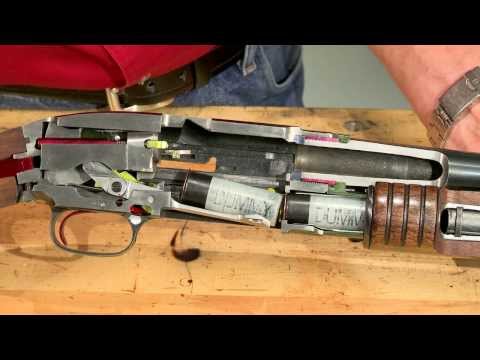
This video provides an expert-level explanation of the AR-15's internal mechanics, presented by Larry Potterfield of MidwayUSA. It details the fire control system, the gas-operated cycling process, and the function of the buffer system and forward assist using cutaway models and animations. The presentation highlights the intricate yet reliable engineering of the AR-15 platform.

Quick Summary

Larry Potterfield of MidwayUSA explains the AR-15's operation using detailed cutaway views. The video covers the gas-operated, direct impingement system, the fire control group (trigger, hammer, disconnector), the buffer system's role in recoil management, and the function of the forward assist for ensuring the bolt is in battery.

Chapters

  1. 00:00Introduction to AR-15 Function
  2. 00:16Fire Control System Explained
  3. 00:33Gas Operation and Cycling Process
  4. 00:55Buffer System and Forward Assist

Frequently Asked Questions

How does the AR-15's gas system work?

The AR-15 uses a gas-operated, direct impingement system. Gas from a fired round travels through the gas tube to the bolt carrier, driving it rearward to cycle the action, eject the spent casing, and chamber a new round.

What are the main components of the AR-15's fire control group?

The fire control group primarily consists of the trigger, hammer, and disconnector. The disconnector plays a key role by catching the hammer after firing and holding it until the trigger is reset, allowing for controlled semi-automatic fire.

What is the purpose of the AR-15's buffer system?

The buffer system, located in the buffer tube, contains a spring and buffer. It absorbs excess energy from the bolt carrier's rearward movement and controls the speed of the cycling action, contributing to reliable operation and reducing felt recoil.

When is the forward assist on an AR-15 used?

The forward assist is a manual control used to ensure the bolt carrier group is fully seated in the battery position. It's typically engaged by pushing it forward, which forces the bolt into place if it fails to close completely on its own.

Related News

All News →

More Gunsmithing & DIY Videos You Might Like

More from MidwayUSA

View all →