How to Convert a Rolling Block from 32 Rimfire to 32-20 WCF | MidwayUSA Gunsmithing

Published on December 23, 2013
Duration: 6:52

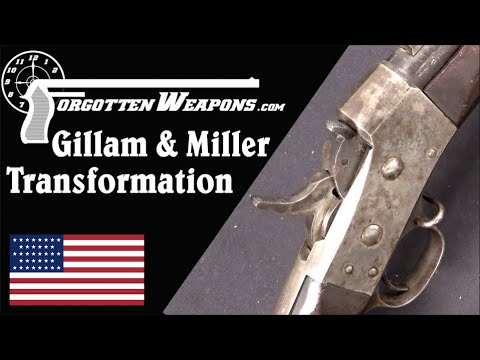
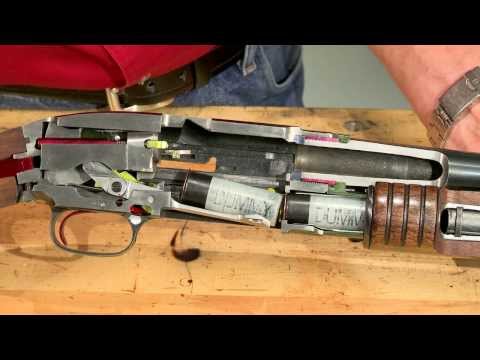
This video details the conversion of a Remington No. 1 Rolling Block rifle from obsolete .32 Rimfire to the reloadable .32-20 WCF centerfire cartridge. The process involves reaming the chamber, plugging the original firing pin hole, drilling a new centerfire channel, and fabricating a custom firing pin. The conversion is feasible due to the shared bore size and the .32-20 WCF case being only slightly larger than the original rimfire.

Quick Summary

Converting a Remington Rolling Block from .32 Rimfire to .32-20 WCF involves reaming the chamber, plugging the original firing pin hole, drilling a new centerfire channel, and fabricating a new firing pin. This is feasible due to shared bore size and the .32-20 WCF case being slightly larger.

Chapters

  1. 00:00Introduction: Remington Rolling Block Rifle
  2. 00:58Why Convert: .32 Rimfire to .32-20 WCF
  3. 01:19Reaming the .32-20 WCF Chamber
  4. 02:32Breech Block: Plugging Rimfire Pin Hole
  5. 04:18Drilling the Centerfire Firing Pin Channel
  6. 05:36Fabricating the New Firing Pin
  7. 06:33Reassembly and Test Fire

Frequently Asked Questions

What is the process for converting a Remington Rolling Block from .32 Rimfire to .32-20 WCF?

The conversion involves reaming the chamber to .32-20 WCF, plugging the original rimfire firing pin hole in the breech block, drilling a new angled channel for a centerfire firing pin, and fabricating a new firing pin with precise protrusion.

Why is a .32 Rimfire to .32-20 WCF conversion feasible on a Rolling Block rifle?

This conversion is feasible because both cartridges share the same bore diameter. The .32-20 WCF cartridge case is only slightly larger than the .32 Rimfire, allowing for a straightforward chamber reaming process.

How is headspace set during the .32-20 WCF chamber conversion?

Headspace is set using an empty .32-20 WCF brass case and a straight edge. The goal is to ensure the case head is positioned approximately .002 inches below flush with the breech face.

What modifications are needed for the breech block and firing pin?

The original rimfire firing pin hole is plugged and milled flush. A new centerfire firing pin channel is drilled at an angle, and a custom firing pin is fabricated to protrude about .050 inches for ignition.

Related News

All News →

More Gunsmithing & DIY Videos You Might Like

More from MidwayUSA

View all →