How to Make a Cut-Away Rolling Block

Published on June 25, 2012
Duration: 1:38

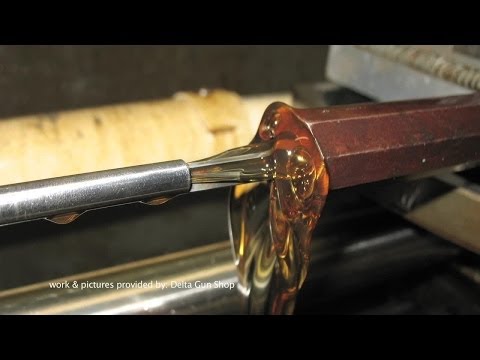
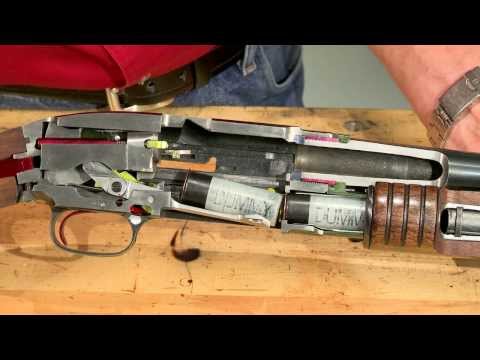
This video demonstrates how to create a cut-away firearm, specifically a Number 1 Remington Rolling Block, to visually showcase its internal mechanics. The process involves careful disassembly, cleaning via bead blasting, precise marking of areas for milling, and using a milling machine to remove material. Finishing touches include applying a contrasting color to cut edges for clarity and reassembly to highlight the action's design.

Quick Summary

Creating a cut-away firearm involves disassembling, cleaning (e.g., bead blasting), precisely marking, and milling the receiver and barrel to expose internal mechanisms. A contrasting finish on cut edges enhances visual clarity for educational demonstrations.

Chapters

  1. 00:00Introduction to Cut-Aways
  2. 00:25Disassembly and Preparation
  3. 00:48Fixturing and Milling
  4. 01:08Finishing and Reassembly

Frequently Asked Questions

What is the purpose of a cut-away firearm?

A cut-away firearm is modified by removing sections of its metal components to visually expose the internal mechanisms. This allows for a clear demonstration of how the firearm operates, its cycle of function, and the interaction of its parts, making it an excellent educational tool.

What steps are involved in making a cut-away rolling block?

The process includes disassembling the rifle, cleaning parts (like bead blasting), marking areas for cutting with layout fluid, using a milling machine to remove metal from the receiver and barrel, and finally applying a contrasting finish to the cut edges for clarity.

What tools are needed for creating a cut-away firearm?

Essential tools include a milling machine, appropriate end mills (like a 3/8-inch carbide), layout fluid (Dykem), calipers for precise marking, bead blasting equipment for cleaning, and basic gunsmithing tools for disassembly and reassembly.

Why is fixturing important when milling a firearm receiver?

Proper fixturing, using a shop-made jig with spacers, is critical when milling a firearm receiver. It prevents the receiver from being crushed or damaged by the milling machine's forces, ensuring stability and accuracy during the material removal process.

More Gunsmithing & DIY Videos You Might Like

More from MidwayUSA

View all →