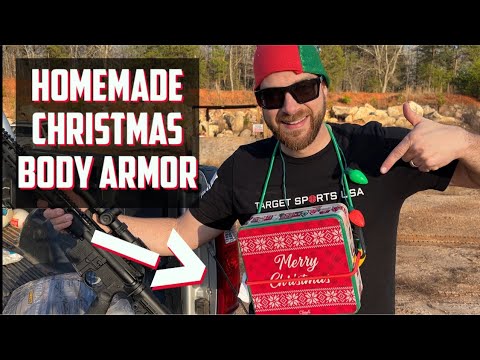
How To Make AMAZING Body Armor For $30?! (Mind Blown)

Published on April 7, 2023
Duration: 12:13

This guide details the construction and testing of a DIY body armor plate, inspired by a $30 project. It covers material selection, safety precautions during construction with fiberglass and resin, and a comprehensive ballistic testing phase against various handgun calibers and shotgun rounds. The project demonstrates a cost-effective approach to creating rudimentary ballistic protection, with expert insights into its limitations, particularly against higher-powered rifle or magnum handgun rounds.

Quick Summary

This DIY body armor project uses a fiberglass welding blanket and resin to create a ballistic plate for under $30. It successfully stops common handgun calibers up to 10mm and 12 gauge shotgun loads, though it fails against .44 Magnum and shows backface deformation with .380 ACP. Proper PPE is essential during construction.

Chapters

  1. 00:00Introduction and Inspiration
  2. 00:46Materials and Safety
  3. 01:12Construction Process
  4. 02:51Ballistic Testing: Small Calibers
  5. 04:43Ballistic Testing: 9mm and .45 ACP
  6. 06:53Ballistic Testing: 10mm and .44 Magnum
  7. 09:21Ballistic Testing: 12 Gauge Shotgun
  8. 11:20Conclusion

Frequently Asked Questions

What materials are needed to make the $30 DIY body armor plate?

The DIY body armor plate requires a fiberglass welding blanket (around $20) and fiberglass resin. A Premier Body Armor plate can be used as a template for shaping.

What calibers did the DIY body armor plate successfully stop?

The DIY armor plate successfully stopped .22 LR, .380 ACP, 9mm, .45 ACP, 10mm, 12ga Birdshot, and 12ga 00 Buckshot during testing.

What are the limitations of the DIY body armor plate?

The DIY armor plate failed to stop a .44 Magnum round and showed noticeable backface deformation with .380 ACP rounds, indicating limitations against higher-powered handgun ammunition.

What safety precautions should be taken when making DIY body armor?

It is crucial to wear appropriate PPE, including sleeves, gloves, and a mask, when handling fiberglass and resin due to their irritant properties. Work in a well-ventilated area.

Related News

All News →

More Gunsmithing & DIY Videos You Might Like

More from 1ShotTV

View all →