How to Seal a Rifle Stock Presented by Larry Potterfield | MidwayUSA Gunsmithing

Published on September 16, 2013
Duration: 1:58

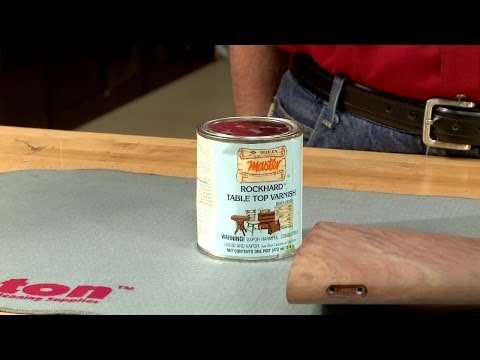
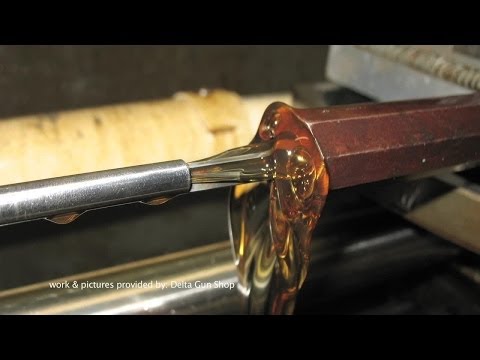
Sealing a rifle stock is crucial for preventing moisture damage, especially through end grain and inletting. This process involves liberal application of a wood sealer, like Miles Gilbert Formula #5, using a brush after sanding to 220 grit and filling imperfections. Multiple applications are needed to ensure full saturation, followed by thorough drying for at least 24 hours before proceeding to the next refinishing step.

Quick Summary

Sealing a rifle stock prevents moisture absorption through the wood grain, inletting, and end grain. Prepare by sanding to 220 grit, filling imperfections, and removing hardware. Apply sealer liberally with a brush, repeating application twice more for saturation. Wipe excess and let dry for at least 24 hours.

Chapters

  1. 00:00Introduction and Preparation
  2. 00:35Applying the Sealer
  3. 01:09Saturation and Re-application
  4. 01:36Final Cleanup and Drying

Frequently Asked Questions

Why is sealing a rifle stock important?

Sealing a rifle stock is crucial to prevent moisture from penetrating the wood grain, especially through the inletting and end grain. This protects the stock from swelling, warping, and potential damage caused by humidity changes.

What preparation is needed before sealing a rifle stock?

Before sealing, the stock should be sanded to at least 220 grit, any imperfections like knots or dents filled, and all metal hardware, such as the grip cap and recoil pad, must be removed.

How should wood sealer be applied to a rifle stock?

Apply the wood sealer liberally using a brush, starting from the butt of the stock. Ensure all exposed wood surfaces are completely coated. Repeat the application process two more times to guarantee full saturation.

How long does a rifle stock need to dry after sealing?

After applying the sealer liberally and wiping off any excess, the rifle stock must be left to dry for a minimum of 24 hours. This ensures the sealer has fully penetrated and cured before the next refinishing step.

Related News

All News →

More Gunsmithing & DIY Videos You Might Like

More from MidwayUSA

View all →