How to Sight In a Rifle Scope and Iron Sights | Nearly Perfect Safari Rifle | MidwayUSA

Published on October 14, 2013
Duration: 3:15

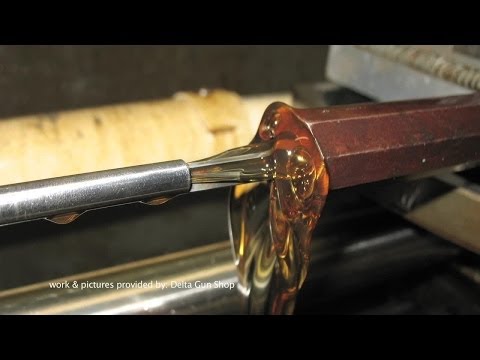
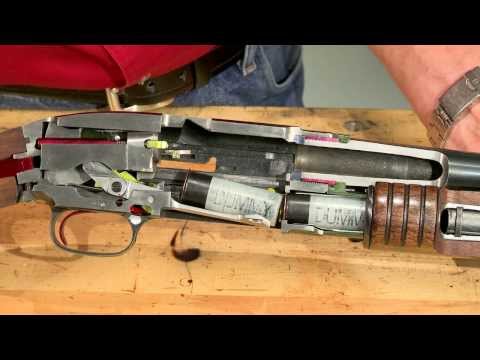
This guide details the expert process of sighting in both iron sights and a rifle scope, as demonstrated by Larry Potterfield of MidwayUSA. It covers initial zeroing at 25 yards, adjusting iron sights for specific distances using precise filing techniques, and bore sighting followed by scope adjustments for optimal point-blank range. The methodical approach ensures accuracy for hunting scenarios.

Quick Summary

Learn expert techniques for sighting in rifle scopes and iron sights from Larry Potterfield of MidwayUSA. This guide covers initial zeroing at 25 yards, adjusting iron sights using files, bore sighting, and setting point-blank range for calibers like the .375 H&H Magnum.

Chapters

  1. 00:00Introduction to Safari Rifle Sighting
  2. 00:12Iron Sight Configuration
  3. 00:33Initial Sighting at 25 Yards
  4. 00:45Regulating Sights at 50 Yards
  5. 01:20Scope Sighting and Bore Sighting
  6. 01:56Final Scope Adjustments
  7. 02:10Finishing the Sight Notches

Frequently Asked Questions

How do you sight in a rifle's iron sights?

Start by zeroing at 25 yards. For longer distances, fire groups and adjust the sight notch depth using a file. For example, if shooting high at 50 yards, file the notch deeper. Ensure the rifle is unloaded and pointed safely during adjustments.

What is bore sighting and why is it important?

Bore sighting is aligning your scope's crosshairs with the rifle's bore before live fire. This is done by looking through the barrel and adjusting the scope until the crosshairs appear centered. It saves ammunition and time by getting you close to zero before actual shooting.

How do you set a point-blank range for a rifle?

To set a point-blank range, adjust your scope so the bullet impacts a specific distance high at 100 yards. For instance, sighting a .375 H&H Magnum to be 2.5 inches high at 100 yards provides a point-blank range of about 250 yards.

What tools are needed to adjust rifle sights?

Essential tools include a needle file for precise metal removal, a vise with protective jaws to hold the sight securely, and potentially a re-bluing compound to touch up the filed metal and prevent rust. Always ensure the firearm is unloaded.

Related News

All News →

More Gunsmithing & DIY Videos You Might Like

More from MidwayUSA

View all →