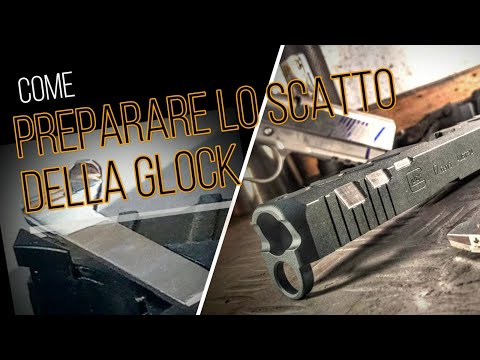
Jack Rowe, Master Gunsmith Series, Trigger Pull. Part 3 of 3.

Published on May 30, 2012
Duration: 6:14

This video, part 3 of a series by Jack Rowe on trigger pull, details common gunsmithing errors related to trigger adjustment. Rowe explains how over-filing the hammer notch can lead to excessive sear engagement, causing trigger malfunction. He also discusses ideal trigger pull weights, citing standards from London gunmakers and his own experience, and advises against overly light triggers for safety reasons. The video emphasizes that not all firearms are designed for light trigger pulls, especially older models, and attempts to do so can cause significant problems.

Quick Summary

Master Gunsmith Jack Rowe explains common trigger pull errors, such as over-filing the hammer notch, which causes excessive sear engagement and firearm malfunction. He advocates for safer trigger weights, citing industry standards like 3.5-4 lbs for front/rear triggers, and warns against lightening pulls on firearms not designed for it.

Chapters

  1. 00:07Common Trigger Pull Mistakes
  2. 00:25Hammer Notch Filing Errors
  3. 00:46Sear Engagement Issues
  4. 01:35Trigger Bend Compensation Problems
  5. 02:19Customer Trigger Pull Requests
  6. 02:48London Gunmaker Standards
  7. 03:00Birmingham Trade Standards
  8. 03:29Safety of Trigger Weights
  9. 03:43Firearms Not Designed for Light Pulls
  10. 04:33Difficulty Altering Old Gun Triggers
  11. 05:01Debunking Trigger Weight Myths
  12. 05:37Trigger Pull Weight vs. Gun Weight
  13. 05:53Example: 410 Shotgun Trigger Weight

Frequently Asked Questions

What is a common mistake made by gunsmiths when adjusting trigger pulls?

A frequent error is over-filing the hammer notch, which deepens it excessively. This causes the sear to engage too far into the notch, preventing proper hammer release and leading to a non-functional trigger or requiring problematic adjustments.

What are considered safe and ideal trigger pull weights for firearms?

While preferences vary, London gunmakers often set triggers at 3.5 lbs front and 4 lbs rear. The speaker considers 4 lbs front and 4 lbs rear ideal. Overly light triggers (e.g., 3 lbs) increase the risk of accidental discharge.

Can all firearms have their trigger pulls lightened significantly?

No, not all firearms are designed for significantly lightened trigger pulls, especially older or certain models. Attempting to do so can cause major mechanical issues and is often a way manufacturers mitigate liability for accidental discharges.

Is there a rule of thumb for trigger pull weight based on the firearm's weight?

The idea that trigger pull weight should be half the weight of the gun is a myth and has no basis in firearms engineering or safety standards. There is no universally accepted ratio for trigger pull weight relative to firearm weight.

More Gunsmithing & DIY Videos You Might Like

More from Brownells, Inc.

View all →