Kennedy Addendum: AFTER Anvil 106

Published on December 11, 2021
Duration: 10:58

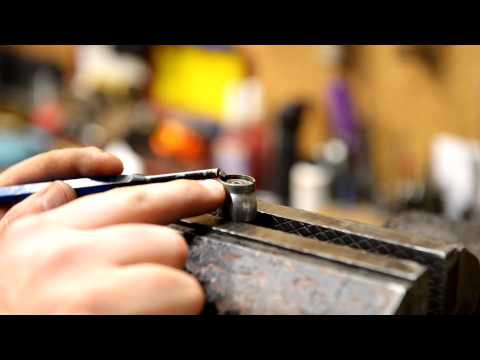
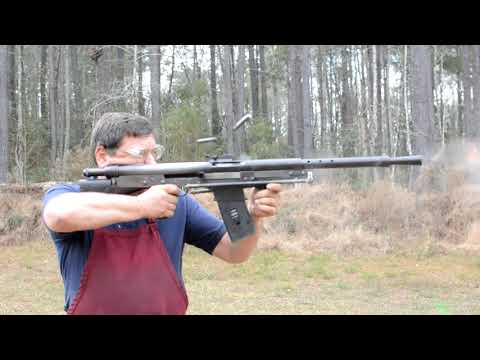
This video details extensive gunsmithing required to repair and improve a Kennedy rifle, highlighting common failure points and John Browning's design principles. The instructor demonstrates how to remake critical screws, repair worn carrier components, and modify the cartridge lifter mechanism to ensure reliable function. The work involves welding, drilling, tapping, and careful fitting to overcome wear and design limitations, ultimately aiming to achieve the reliability of designs like the Winchester 1886.

Quick Summary

Expert gunsmithing on a Kennedy rifle addresses critical issues like a loose bolt screw and worn carrier. Repairs involve remaking screws with Loctite and staking, welding worn carrier surfaces, and modifying the cartridge lifter to prevent jams, aiming for reliability comparable to designs like the Winchester 1886.

Chapters

  1. 00:01Introduction & Project Overview
  2. 00:13Kennedy vs. Winchester 1886 Comparison
  3. 01:09Initial Barrel and Magazine Issues
  4. 01:43Damaged Components and Improvised Repairs
  5. 01:57Critical Bolt Screw Importance
  6. 02:22Kennedy Rifle Design Evolution
  7. 02:54Bolt Mechanism and Screw Repair
  8. 03:43Bolt Screw Threading and Securing
  9. 04:19Cartridge Lifter Mechanism Explained
  10. 05:06Cartridge Lifter Jam Prevention
  11. 05:37Lifter Screw and Spring Issues
  12. 05:40Carrier Wear and Feeding Jams
  13. 06:02Carrier Mechanism and Spring Action
  14. 06:36Lifter Work and Design Philosophy
  15. 07:13Main Spring Failure and Replacement
  16. 08:08Malfunction: Carrier Finger Issue
  17. 08:26Carrier Finger Modification for Reliability
  18. 08:39Demonstrating Feeding and Ejection
  19. 09:19Post-Repair Firing Test
  20. 09:57Project Conclusion and Durability Concerns
  21. 10:18Patina vs. Blasted Finish

Frequently Asked Questions

What are common failure points in a Kennedy rifle that require gunsmithing?

Common failure points include the critical bolt screw that holds the entire gun together, worn carrier surfaces causing feeding jams, and the cartridge lifter mechanism potentially dropping below horizontal. Improvised repairs like using nails as parts are also critical issues.

How can the bolt screw on a Kennedy rifle be repaired if it's damaged or loose?

If the bolt screw is damaged, it can be remade with slightly oversized threads. The repair involves applying red Loctite for secure adhesion and then staking the screw to ensure it remains firmly in place, preventing catastrophic failure.

What modifications are needed to fix feeding jams in a Kennedy rifle's carrier?

Feeding jams caused by a worn carrier can be fixed by welding material onto the worn back end and re-profiling it. Additionally, a finger on the bottom of the carrier may need modification to properly suspend cartridges and prevent them from exiting the magazine tube prematurely.

What is 'patina' in the context of firearm finishing?

Patina on a firearm refers to a layer of oiled rust that develops over time. Unlike bead blasting, which removes all finish, patina can be conserved to preserve the original metal and finish underneath, giving the firearm an aged appearance.

More Gunsmithing & DIY Videos You Might Like

More from Mark Novak

View all →