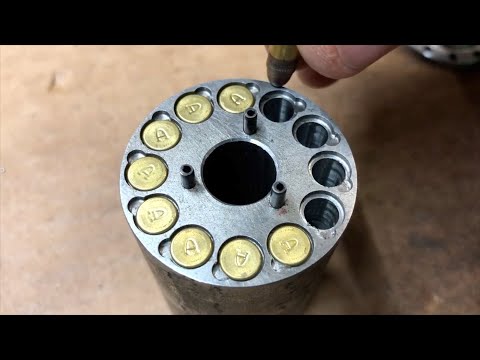
Last Video of the Year...The Sequel!!

Published on December 31, 2019
Duration: 8:16

This video demonstrates a gunsmithing process on a lathe, focusing on machining the outer diameter (OD) of what appear to be firearm barrels. The instructor explains the setup of the lathe chuck jaws, the importance of precise jaw adjustment for true running, and the machining process itself, including slowing down the spindle speed for initial passes and using a tailstock. The goal is to achieve a specific outer diameter on the barrels.

Quick Summary

When setting up a lathe chuck for machining, ensure all three jaws are adjusted to the exact same position. This critical step guarantees the workpiece runs true, enabling precise OD turning of components like firearm barrels and preventing errors during the cutting process.

Chapters

  1. 00:00Introduction and YouTube Monetization Concerns
  2. 00:48Testing YouTube's De-monetization Policy
  3. 01:00Machining 'Harmless Cylinders'
  4. 01:34Adjusting Lathe Chuck Jaws
  5. 02:13Second Attempt at Lathe Setup
  6. 02:53Slowing Spindle Speed for Machining
  7. 03:05Clamping Barrel and Initiating Cut
  8. 03:24Rough OD Turning Process
  9. 03:37Engaging the Center Tailstock
  10. 03:49Tailstock Collision and Reprogramming
  11. 04:12Machining in the Middle of the Barrel
  12. 04:28Coolant Obscuring View
  13. 04:47Cleaning the Lathe Window
  14. 05:05Machining Speed and Window Fouling
  15. 06:06Machining to the End of the Barrel
  16. 06:48Post-Machining Inspection and Bumps
  17. 07:04Satisfactory Machining Results
  18. 07:27Before and After Comparison of Barrels
  19. 07:36Barrel Lengths and Quantities
  20. 07:47Next Step: Chamber End Threads
  21. 08:00Completing Remaining Barrels

Frequently Asked Questions

What is the critical step when setting up lathe chuck jaws for machining?

It is crucial that all three chuck jaws are moved out to the exact same amount. This precise adjustment ensures that the workpiece, such as a firearm barrel, runs true on the lathe, leading to accurate and consistent machining results.

Why is slowing down the spindle speed important during lathe operations?

Slowing down the spindle speed on a lathe is particularly important for initial passes or when machining new materials. It allows for better control over the cutting tool, helps prevent crashes, and ensures a more precise and safer material removal process.

What is the purpose of a tailstock in lathe machining?

A tailstock on a lathe provides essential support for longer workpieces. By supporting the end of the workpiece opposite the chuck, it prevents sag, reduces vibration, and improves the stability and accuracy of the machining operation.

What does 'OD turning' refer to in machining?

OD turning, or Outer Diameter turning, is a fundamental machining process performed on a lathe. It involves using a cutting tool to remove material from the exterior surface of a rotating workpiece to achieve a specific diameter and finish.

More Gunsmithing & DIY Videos You Might Like

More from markserbu

View all →