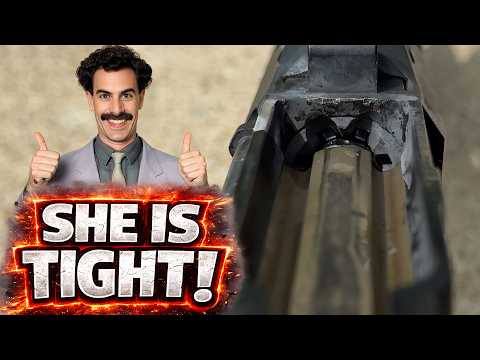
Let's talk about wear

Published on January 2, 2025
Duration: 1:00

This video discusses wear patterns on firearm components, specifically focusing on the bolt carrier group and bolt. It highlights the importance of even wear across these parts and addresses concerns like carrier tilt in AR-15 style actions, noting that some designs, like the HK416, mitigate these issues.

Quick Summary

Proper wear on a firearm's bolt carrier group and bolt is characterized by evenness across all components. This includes the bolt itself showing clean wear without gnarling or cracks, the bolt carrier exhibiting uniform wear, and the op rod remaining straight. Gas rings on the piston should also be in good condition, not excessively worn.

Chapters

  1. 00:00Introduction to Wear
  2. 00:14Bolt Carrier Group and Bolt Wear
  3. 00:29Op Rod and Gas Ring Condition
  4. 00:35Bolt Wear Details
  5. 00:39Bolt Carrier Wear
  6. 00:42Carrier Tilt Concerns
  7. 00:50416 Style Actions and Carrier Tilt
  8. 00:54HK416 Design Advantages

Frequently Asked Questions

What are the key indicators of proper wear on a firearm's bolt carrier group and bolt?

Proper wear on a firearm's bolt carrier group and bolt is characterized by evenness across all components. This includes the bolt itself showing clean wear without gnarling or cracks, the bolt carrier exhibiting uniform wear, and the op rod remaining straight. Gas rings on the piston should also be in good condition, not excessively worn.

What is carrier tilt in AR-15 style actions and how is it addressed?

Carrier tilt is a concern in some AR-15 style actions where the bolt carrier group can tilt within the receiver during operation. This issue was addressed by enlarging the rear of the bolt carrier in certain designs to prevent excessive movement and wear. The HK416 is an example of a firearm that largely mitigates this problem.

What specific wear issues should be looked for on a firearm's bolt?

When inspecting a firearm's bolt for wear, look for clean and even wear patterns. Avoid any signs of gnarling, deep scratches, or cracks. The overall appearance should indicate consistent contact and function without any deformation or damage that could impede operation or reliability.

Related News

All News →

More Gunsmithing & DIY Videos You Might Like

More from Regular Guy Training LLC

View all →