LR-308 Goes Fast

Published on June 19, 2023
Duration: 14:31

This guide details troubleshooting common malfunctions encountered with 3D-printed firearms, drawing insights from an expert analysis of an LR-308 and an Orca rifle. It covers identifying issues like safety reset failures and cracked handguards, analyzing their root causes related to component geometry and material science, and comparing printing environments for optimal results. The instruction comes from Hoffman, who demonstrates high expertise in 3D-printed firearm design and testing.


Quick Summary

Expert analysis of 3D-printed LR-308 and Orca rifles reveals common failure points like safety reset issues due to component geometry and cracked handguards from poor layer adhesion. Troubleshooting involves understanding material science, proper printing environments, and platform-specific compatibility.

Chapters

  1. 00:00Introduction to the 3D-Printed LR-308
  2. 01:53Range Testing and Malfunctions
  3. 04:28Target Practice and the Orca Platform
  4. 10:21Technical Failure Analysis

Frequently Asked Questions

What are common failure points for 3D-printed firearms like the LR-308 and Orca?

Common failures include safety reset issues due to component geometry interference, as seen with the LR-308's 'Super Safety'. Structural problems like cracked handguards can occur due to poor layer adhesion, often from printing wet filament on open-air printers.

How does 3D printing material science affect firearm reliability?

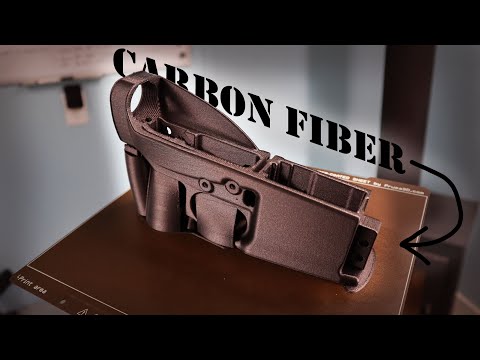
Material properties like layer adhesion are critical. Using materials like carbon fiber nylon (PA6-CF) and ensuring proper printing conditions (e.g., enclosed printer, dry filament) are essential to prevent failures like cracked handguards.

What causes short-stroking malfunctions in 3D-printed rifles like the Orca?

Short-stroking in the Orca rifle was attributed to an under-gassed adjustable gas block. This means the gas system wasn't providing enough pressure to cycle the bolt carrier group fully, preventing proper ejection and chambering.

What is the significance of the .308 BCG geometry in relation to the 'Super Safety' modification?

The .308 bolt carrier group's geometry created interference and excessive stress on the 'Super Safety' components in the LR-308 build, leading to reset failures that were not present on an AR-15 platform.

Related News

All News →

More Gunsmithing & DIY Videos You Might Like

More from Hoffman Tactical

View all →