MK3 Firearms Version 1 and 2 Browning Hi-Power Beaver Tails

Published on January 10, 2018
Duration: 4:08

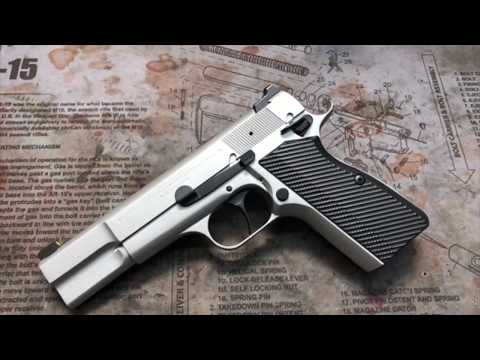
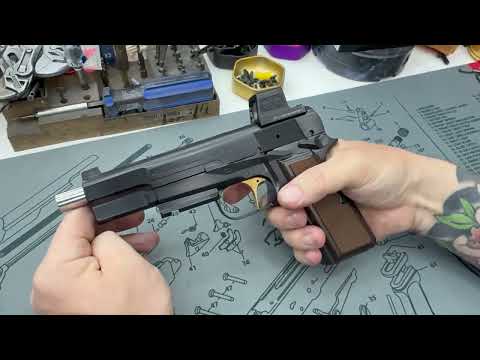
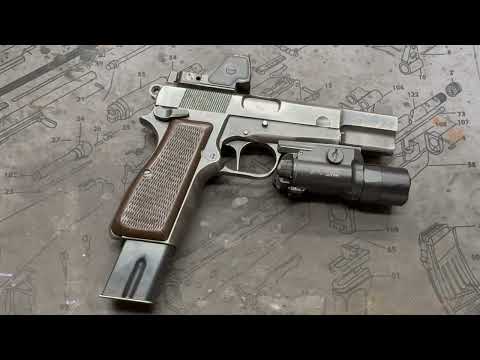
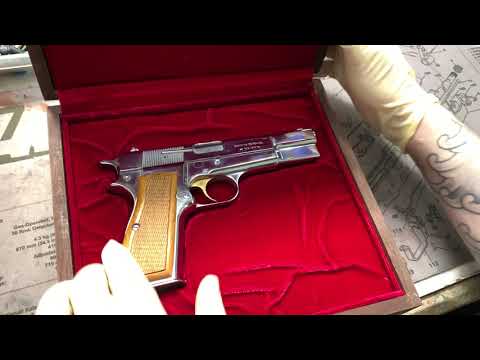
This video from MK3 Firearms showcases two custom Browning Hi-Power beaver tail modifications: Version 1 with clean lines and sharp angles, and Version 2 with a 1911-style curve. Both versions are designed to improve grip and prevent hammer bite, especially when using commander or modified spur hammers. The instructor highlights how the beaver tail integrates with a bobbed hammer for a flush fit with the slide.


Quick Summary

MK3 Firearms offers two Browning Hi-Power beaver tail modifications: Version 1 with sharp lines and Version 2 with a 1911-style curve. These enhance grip and prevent hammer bite, often requiring a bobbed or modified spur hammer for optimal integration with the slide.

Chapters

  1. 00:00Introduction to Beaver Tails
  2. 00:06Version 1 Beaver Tail
  3. 00:14Version 2 Beaver Tail
  4. 00:21Version 1 Details
  5. 00:44Version 2 Details
  6. 00:501911 Style Comparison
  7. 00:73Hammer Compatibility Explained
  8. 00:80Functionality of Beaver Tails
  9. 00:92Beaver Tail Height Requirements
  10. 01:05Issues with 'Diving Board' Tails
  11. 01:15Curved Tail Drawbacks
  12. 01:22Hammer Options for Beaver Tails
  13. 01:29Bobbed Hammer Integration
  14. 01:44Hammer and Slide Eclipsing
  15. 01:57Final Look and Comparison
  16. 02:03Q&A and Outro

Frequently Asked Questions

What are the main differences between the MK3 Firearms Version 1 and Version 2 Browning Hi-Power beaver tails?

The Version 1 beaver tail features clean lines and sharp angles, designed to match flattened triggers. The Version 2 offers a 1911-style curve, providing a more rounded aesthetic and potentially a better ergonomic feel for some users.

Why is a beaver tail modification important for a Browning Hi-Power?

A beaver tail modification is crucial for preventing hammer bite, especially when using commander or modified spur hammers. It ensures a comfortable and secure grip by preventing the hammer from pinching the shooter's hand during recoil or manipulation.

What type of hammer is typically required for a beaver tail modification on a Browning Hi-Power?

For most beaver tail modifications, especially those aiming for a flush fit, a completely bobbed hammer or a heavily modified spur hammer is necessary. Standard commander hammers may not be compatible due to their height.

How does the beaver tail's height affect its functionality on a Browning Hi-Power?

The beaver tail must be precisely fitted to allow the hammer to depress fully when engaged and not interfere with the slide's rearward travel. If too low, it can reduce grip; if too high, it can impede function, leading to potential malfunctions.

More Gunsmithing & DIY Videos You Might Like

More from MK3 Firearms

View all →