Nielsen Device: How it Works and Why it's Necessary

Published on August 4, 2025
Duration: 13:04

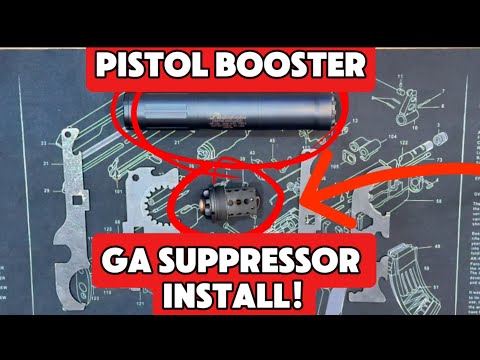
This guide details the installation and function of a Nielsen device, also known as a recoil booster, essential for reliable semi-automatic pistol operation with a suppressor. Expert Ian McCollum explains its necessity for recoil-operated systems, contrasting them with fixed-barrel designs. The device uses a spring-loaded piston to decouple suppressor mass, allowing proper barrel tilt and cycling, as demonstrated with examples like the Lionheart Vulcan 9 and Glock pistols.

Quick Summary

A Nielsen device, or recoil booster, is vital for reliable suppressor function on recoil-operated semi-automatic pistols. It uses a spring-loaded piston to decouple the suppressor's mass during recoil, allowing the firearm's barrel to tilt and cycle properly, preventing malfunctions caused by the added weight. Fixed-barrel designs typically do not require one.

Chapters

  1. 00:00Introduction to the Nielsen Device
  2. 00:41Fixed Barrel vs. Recoil Operated Actions
  3. 01:47The Physics of Suppressed Recoil Actions
  4. 05:01History and Function of the Booster
  5. 05:58Demonstration Hardware
  6. 08:43Visual Proof: Slow-Motion Comparison
  7. 11:06Exceptions to the Rule

Frequently Asked Questions

What is a Nielsen device and why is it needed?

A Nielsen device, also known as a recoil booster, is essential for making suppressed semi-automatic pistols, particularly those with recoil-operated actions, function reliably. It compensates for the added weight of the suppressor, which can otherwise prevent the firearm's barrel and slide from cycling properly.

Do all suppressed firearms need a Nielsen device?

No, Nielsen devices are primarily for recoil-operated firearms with moving barrels. Simple blowback pistols with fixed barrels (common in .22 LR, .32 ACP, .380 ACP) generally do not require a booster, as the suppressor's weight doesn't impede their cycling mechanism.

How does a Nielsen device work?

A Nielsen device uses a spring-loaded piston. When the firearm is fired, the suppressor's mass pushes its housing forward, but the piston momentarily resists, allowing the firearm's barrel to unlock and move rearward independently before the suppressor's mass fully engages.

Which firearms benefit most from a Nielsen device?

Recoil-operated firearms with tilting barrels, such as many modern 9mm pistols like the Glock series or Beretta 92FS, benefit significantly from Nielsen devices when suppressed. This ensures the barrel can tilt and unlock correctly despite the suppressor's added weight.

Related News

All News →

More Gunsmithing & DIY Videos You Might Like

More from Forgotten Weapons

View all →