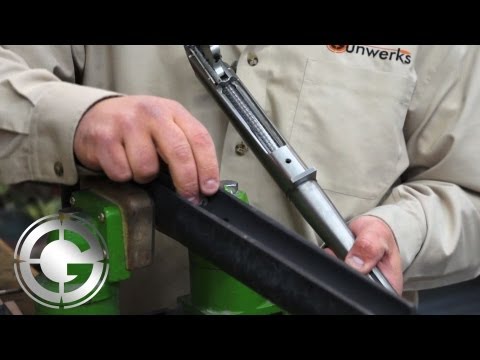
Obtaining Proper Neck Tension While Reloading

Published on October 24, 2012
Duration: 4:54

Achieving consistent accuracy in long-range shooting hinges on proper neck tension during reloading. This video demonstrates calculating and achieving optimal neck tension, recommended at 0.002 inches for the 7 LRM caliber. It highlights the use of Hornady bushing dies and precise measurement techniques with digital calipers to control brass compression and ensure component interface for superior ballistics.

Quick Summary

Achieve consistent accuracy in long-range shooting by mastering neck tension. For 7 LRM, aim for 0.002 inches of tension by precisely measuring loaded rounds and resized cases, utilizing tools like Hornady bushing dies for optimal brass compression.

Chapters

  1. 00:00Introduction to Neck Tension
  2. 00:44Component Relationships in Reloading
  3. 01:53Calculating and Measuring Neck Tension
  4. 02:39Using Bushing Dies for Precision
  5. 03:44Equipment Selection and Tips

Frequently Asked Questions

What is the recommended neck tension for 7 LRM reloads?

For the 7 LRM caliber, a target neck tension of 0.002 inches is recommended by Gunwerks owner Aaron Davidson. This precise tension ensures the bullet is held securely, contributing to consistent ignition and accuracy.

How is neck tension calculated in reloading?

Neck tension is calculated by measuring the diameter of a loaded round and subtracting the diameter of a properly resized case neck. The difference indicates the amount of pressure the neck exerts on the bullet.

What type of dies are best for controlling neck tension?

Full-length bushing dies, such as the Hornady Custom Shop set shown, are recommended for precise control over neck tension. By selecting specific bushings (e.g., .316), reloaders can achieve exact neck sizing.

Why is neck tension important for accuracy?

Consistent neck tension ensures uniform bullet seating and consistent ignition of the powder charge. This uniformity minimizes variations in projectile launch, leading to tighter shot groups and improved long-range accuracy.

Related News

All News →

More Gunsmithing & DIY Videos You Might Like

More from Gunwerks

View all →