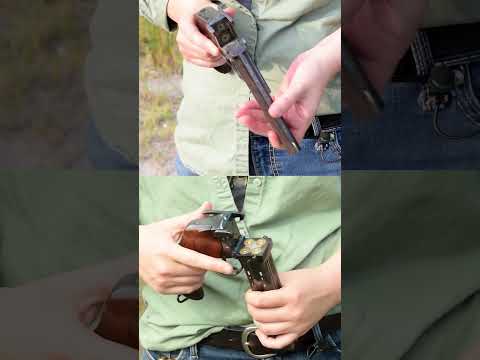
Primer 219: US M1 Garand "Gas Trap"

Published on March 17, 2026
Duration: 97:11

This video details the historical development and technical specifications of the US M1 Garand rifle, focusing on the early 'gas trap' variant. It covers the extensive trials and design iterations that led to its adoption, including the contributions of John Garand and competitors. The video provides a close examination of the gas trap mechanism, its disassembly, and its operational principles, highlighting its strengths and weaknesses compared to later designs.

Quick Summary

The M1 Garand's original gas trap system used excess gas pressure to cycle the action, but it was complex to disassemble and less robust for bayonet fighting. It was eventually replaced by more conventional gas-operated systems. Loading involves an 8-round en bloc clip, and the 'Garand ping' signifies an empty rifle.

Chapters

  1. 00:00Introduction to Gun Oil
  2. 01:01Professor Oias Griffith Introduces the M1 Garand Gas Trap
  3. 01:31M1 Garand Gas Trap: Dimensions and Weight
  4. 01:48M1 Garand: Magazine and Cartridge Details
  5. 02:18Garand's Place in Semi-Automatic Rifle History
  6. 02:46Early US Semi-Automatic Rifle Attempts (Patterson Device)
  7. 03:13Pre-WWI US Autoloader Rifle Experiments
  8. 03:451909 US Ordinance Requirements for Service Rifles
  9. 04:00Detailed Breakdown of 1909 Requirements
  10. 06:03Inventor Submissions and Government Support
  11. 06:28The Bang Rifle: Early Gas Trap Inspiration
  12. 07:08Bang Rifle Testing and Issues
  13. 08:05Great War Modifications and Post-War Interest
  14. 08:45Chief of Ordinance Clarence C. Williams' Push for Automatics
  15. 09:17John Kentus Garand Introduced
  16. 09:32John Garand's Early Life and Mechanical Aptitude
  17. 11:35Garand's Great War Work and Machine Gun Ideas
  18. 12:21John T. Kish and Primer Unlocking Breach Ideas
  19. 13:17Garand's Rifle Presented to Naval Consulting Board
  20. 13:58Garand Rifle Demonstrated to War College (1919)
  21. 14:40Garand Hired by Springfield Armory
  22. 15:13The T1920 Rifle: Garand's Next Iteration
  23. 15:55Competitors to the Garand T1920 (Bertier, Colt Thompson, Bang)
  24. 17:10Comparative Trials and Garand Feedback
  25. 17:36June 1922 Comparative Trials: Garand vs. Hatcher's Bang
  26. 21:54Garand's Radically Changed Design (Hinged Block)
  27. 22:15Second Pattern 1921 Garand and Testing
  28. 23:24Colt Thompson Auto Rifles Enter the Picture
  29. 23:42June 1925 Field Testing: Colt Thompson vs. Garand
  30. 24:49Impact of Reduced Caliber Cartridges on Rifle Design
  31. 25:12John Douglas Patterson: Expert on Reduced Caliber Cartridges
  32. 26:04Patterson's Proposal for a 27 Caliber Cartridge
  33. 27:35Patterson's 276 Cartridge Development
  34. 28:15Patterson's Prototype Long Gun (Toggle Delayed Blowback)
  35. 29:10Garand and Thompson Rifles Ignored Amidst Patterson Fervor
  36. 30:03T1 Patterson Rifles and Cavalry Carbine Configuration
  37. 30:50Impact of 1925 .30-06 M1 Ball Improvements
  38. 31:57Garand Adapts to 10-Round En Bloc Clip Design
  39. 32:13Manuel Montragon's Influence on Garand's Clip Design
  40. 33:36Garand Uses Montragon's Gas Piston/Rotating Bolt Design
  41. 34:39Garand Receives Funding for Model 1926 .30 Caliber Rifle
  42. 35:25Joint Board and 'Pig Board' Testing for Caliber Change
  43. 36:07Recommendation for 276 Caliber and Rifle Trials
  44. 37:42Commercial Firm Response to New Trials
  45. 39:45Patterson and Garand Rifles Compared in 1929 Trials
  46. 40:02Garand's T3 Rifle: Bidirectional Clip, Minimal Parts
  47. 40:34Garand and Patterson Recommended for Further Development
  48. 41:42Patterson's Partnership with Vickers Firm
  49. 42:07Patterson's Contract Changes and Delays
  50. 42:19Rallying Support for the .30 Caliber Cartridge
  51. 42:32New Board Studies Wounding Power (Goat Testing)
  52. 42:50Garand Improvements: T3E1 and T3E2 Patterns
  53. 43:25Sample 20 Rifles in Production and Updates
  54. 43:43Patterson's Improved Rifle: T2E1
  55. 44:01Ordnance Dissatisfaction with Patterson's Contract
  56. 44:23Fort Benning Testing: T1 Patterson vs. T3E2 Garand
  57. 45:06Request for .276 Garands and .30 Caliber Example
  58. 46:07August 1931 Joint Service Board Meeting
  59. 46:25JC White Rifle Contender and T1E1 Garand Testing
  60. 47:17Board Settles on .276 Garand vs. .276 Patterson
  61. 49:04T3E2 Garand Recommended for Adoption (December 1931)
  62. 49:21General Douglas MacArthur Disapproves Caliber Change
  63. 49:44The Sole .30 Caliber Garand and Its Repair
  64. 50:00Demonstration of .30 Caliber Garand at Aberdeen
  65. 51:00Order for 80 New Pattern .30 Caliber Garands
  66. 51:55Testing of 1934 Shop Model Garands
  67. 52:53Infantry Board Report: Garand Has No Insurmountable Weaknesses
  68. 53:29Official Approval of the US Semi-Automatic Rifle Caliber .30 M1
  69. 53:44Close Look at an Original Gas Trap Garand
  70. 54:12Garand Rifle: Rear to Front Overview
  71. 54:34Garand Action and Parkerized Finish
  72. 55:01Garand Stock and Handguard Configuration
  73. 55:15Garand Gas Trap Area Details
  74. 55:50Garand Front Sight Evolution
  75. 56:16Garand Bayonet Lug
  76. 56:31Gas Trap Mechanism Explained
  77. 56:59Gas Trap Disassembly Challenges
  78. 57:36Accessing the Gas System Components
  79. 58:13Garand Action: Semi-Automatic Operation
  80. 58:31Garand Bolt Locking Mechanism
  81. 59:10Garand Rear Opening and Trigger Group Cavity
  82. 59:39Loading the M1 Garand with En Bloc Clips
  83. 60:01M1 Garand En Bloc Clip Details
  84. 60:25Garand Clip Latch System
  85. 61:01Clip Insertion and Bolt Release
  86. 61:54Garand Firing Cycle and Ejection
  87. 62:36Bolt Hold Open and Clip Ejection ('Garand Ping')
  88. 63:14Logistical Problem: Bidirectional Clip Reloading
  89. 64:05En Bloc Clip vs. Detachable Box Magazine
  90. 64:45Avoiding Clip Ejection Issues on Garand
  91. 65:18How to Reload an M1 Garand Clip
  92. 65:41Garand Rear Sight Features
  93. 66:49Garand Cleaning Rod and Bore Damage Concerns
  94. 67:20Garand Disassembly Procedure
  95. 67:53Separating Stock and Receiver
  96. 68:13Garand Receiver Assembly
  97. 68:40Garand Action Details: Follower Linkage
  98. 69:15Garand Main Spring and Buffer Spring System
  99. 69:43Reason for Current Spring Configuration

Frequently Asked Questions

What was the primary purpose of the M1 Garand's gas trap system?

The gas trap system on early M1 Garand rifles was designed to harness the gas pressure generated by firing a round to operate the semi-automatic action. Excess gas was directed to a chamber at the front of the barrel, pushing a piston to cycle the bolt.

What were the main drawbacks of the M1 Garand's gas trap system?

The gas trap system presented challenges in disassembly, requiring more effort for cleaning compared to later designs. It was also considered less robust for bayonet fighting. These factors contributed to its eventual replacement by more conventional gas-operated systems.

How is the M1 Garand loaded, and what is 'Garand thumb'?

The M1 Garand is loaded using an 8-round en bloc clip inserted from the top. Upon full insertion, the bolt slams forward to chamber a round. 'Garand thumb' refers to the painful pinch received if a shooter's thumb is not removed from the path of the moving bolt during loading.

What is the significance of the 'Garand ping'?

The 'Garand ping' is the distinctive sound made when the empty en bloc clip is ejected from the rifle after the last round has been fired and the bolt locks open. This audible signal indicated the rifle was empty.

Related News

All News →

More Gunsmithing & DIY Videos You Might Like

More from C&Rsenal

View all →