Quick Tip: How To Get Started Reloading Ammo

Published on May 18, 2020
Duration: 8:51

This guide, presented by Brownells technical staff, emphasizes critical safety and best practices for new ammunition reloaders. It stresses the importance of using verified reloading manuals over internet data, starting with low powder charges, and understanding variations in brass and firearm specifications. Key takeaways include proper powder management, essential safety gear, meticulous record-keeping, and maintaining a clean workspace to prevent dangerous errors.


Quick Summary

Always use a verified reloading manual for load data and start with the minimum recommended powder charge, working up cautiously. Understand that firearm variations and brass differences impact safe loads. Essential safety gear includes glasses, and meticulous record-keeping in a clean workspace prevents dangerous errors like double-charging.

Chapters

  1. 00:00Introduction to Reloading Safety
  2. 00:21The Importance of Manuals
  3. 00:53Load Development and Firearm Variation
  4. 01:34Brass and Powder Compression
  5. 02:29Powder Management
  6. 04:11Case Preparation and Storage
  7. 05:17Essential Safety Gear and Tools
  8. 06:20Record Keeping and Workspace

Frequently Asked Questions

What is the most crucial safety rule for new ammunition reloaders?

The most critical safety rule is to always use a verified reloading manual for load data. Never trust information from the internet or friends, as scientifically proven data is essential to prevent firearm failures and ensure safe operation.

Why is it important to start with low powder charges when reloading?

Starting with low powder charges and working up allows you to observe how your specific firearm reacts to increasing powder levels. Every firearm has unique chamber and barrel specifications, meaning a load that is safe in one gun could be dangerous in another.

What are essential tools for correcting reloading mistakes?

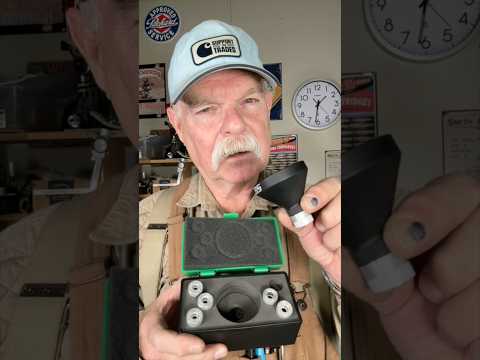
Essential tools for correcting reloading mistakes include a bullet puller, such as the Hornady Cam Lock Bullet Puller, and a stuck case remover. These allow you to safely disassemble incorrectly loaded cartridges.

How should smokeless powder be managed during reloading?

Smokeless powder should always be kept in its original container or clearly labeled if transferred. Never mix different powders, and empty powder measures after each session to avoid confusion and potential double-charging errors.

More Gunsmithing & DIY Videos You Might Like

More from Brownells, Inc.

View all →