Rejoining Shotgun Barrels | MidwayUSA Gunsmithing

Published on May 20, 2013
Duration: 3:34

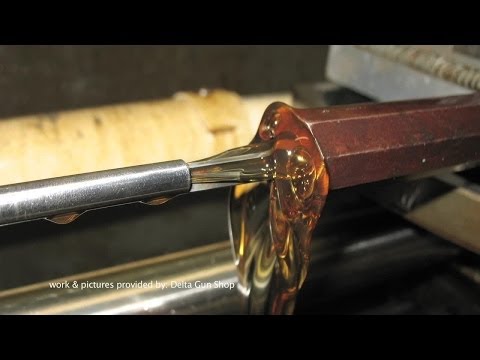
This video demonstrates the advanced gunsmithing technique of rejoining loose shotgun barrels, often referred to as 'putting barrels back on face.' It details the process of adding weld material to the barrel lug's hook, followed by precise filing and fitting using a 0.005-inch feeler gauge and kerosene smoking for accuracy. The goal is to restore a tight lock-up for classic double-barrel shotguns like Parker Brothers.

Quick Summary

Rejoining shotgun barrels, or 'putting them on face,' fixes loose barrels by welding material to the barrel lug's hook and precisely filing it. A 0.005-inch feeler gauge can detect the wear, and kerosene smoking is used for accurate fitting.

Chapters

  1. 00:00Identifying Loose Barrels
  2. 00:38Adding Weld to the Hook
  3. 00:59Dressing the Lug
  4. 01:24Filing the Hook Area
  5. 01:49Smoking for Precision Fit
  6. 02:51Final Fitting and Assembly

Frequently Asked Questions

What does it mean to rejoin shotgun barrels or 'put them on face'?

Rejoining shotgun barrels, or 'putting them on face,' is a gunsmithing process to fix loose barrels on the receiver. It involves adding material, typically through welding, to the barrel lug's hook and then precisely filing it down to restore a tight lock-up.

How can I tell if my double-barrel shotgun needs its barrels rejoined?

A common indicator is looseness between the barrels and the receiver. A gunsmith might use a feeler gauge, like a 0.005-inch one, to measure the gap caused by wear on the barrel lug's hook, signifying the need for this repair.

What is the kerosene smoking method used for in shotgun repair?

The kerosene smoking method involves applying a soot layer to parts using a kerosene-dipped stick. When the parts are assembled, the soot rubs off at contact points, revealing high spots that need further filing for a precise fit, ensuring the barrels are correctly 'on face'.

What tools are essential for rejoining shotgun barrels?

Essential tools include precision measuring devices like feeler gauges, welding equipment for adding material to the barrel lug, various hand files (coarse to fine) for shaping, and materials like kerosene for the fitting process.

More Gunsmithing & DIY Videos You Might Like

More from MidwayUSA

View all →