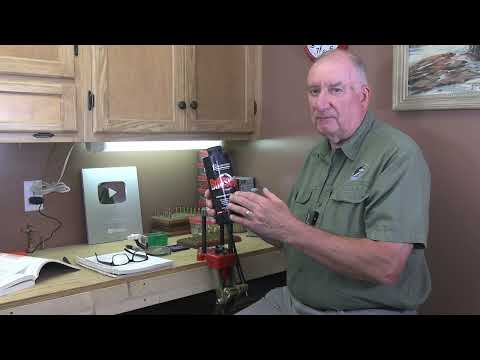
Reloading for a Handgun- The Plunk Test - How long should I load this projectile?

Published on January 14, 2018
Duration: 8:12

This video explains the critical 'plunk test' for handgun reloading, emphasizing that cartridge overall length (COL) must be determined for each specific firearm and projectile combination, not just by book values. The plunk test involves chambering a loaded cartridge in the firearm's barrel and measuring the maximum safe COL. Subtracting a small margin from this measurement ensures reliable feeding and prevents the projectile from engaging the rifling, which can cause malfunctions. This technique is crucial for handguns with shorter leades, such as CZ models, to avoid issues like slides hanging out of battery.

Quick Summary

The plunk test is a vital handgun reloading technique to determine the maximum safe cartridge overall length (COL) for a specific firearm. It involves chambering a loaded round in the barrel and measuring its length. Subtracting about 0.015 inches from this measurement ensures the projectile doesn't hit the rifling, preventing dangerous malfunctions like slides hanging out of battery, especially in firearms with shorter leades like CZs.

Chapters

  1. 00:06Introduction to The Humble Marksman
  2. 00:18Understanding the Plunk Test
  3. 00:30Common Reloading Issues with CZs
  4. 00:48How to Perform the Plunk Test
  5. 01:50Measuring the Cartridge Length
  6. 02:13Why Plunk Test is Crucial for CZs
  7. 02:31Interpreting Plunk Test Results
  8. 03:00Calculating Safe Working Length
  9. 03:30Testing Dummy Rounds
  10. 03:54Projectile Variations Explained
  11. 04:36Old vs. New Acme Projectile Lengths
  12. 05:53Importance of Testing Every Ammo Case
  13. 06:03Types of Projectiles for Reloading
  14. 07:03Lead Bullet Profiles
  15. 07:47Next Steps in Load Development

Frequently Asked Questions

What is the plunk test in handgun reloading?

The plunk test is a crucial reloading technique to determine the maximum safe overall cartridge length (COL) for a specific firearm. It involves chambering a loaded round in the barrel to ensure it fits without the projectile hitting the rifling, preventing malfunctions like slides hanging out of battery.

Why is the plunk test important for CZ handguns?

CZ handguns often have shorter leades (the distance from the case mouth to the start of the rifling) compared to other models. This means standard book COLs might be too long, causing the projectile to jam into the rifling. The plunk test is essential to find a safe, functional COL for CZs.

How do I perform the plunk test?

Take your firearm's barrel, insert a loaded cartridge into the chamber, and then carefully remove the barrel. Measure the overall length of the cartridge. This measurement is your maximum safe COL. It's recommended to subtract about 0.015 inches for a working length.

Can I use the same reloading data for all my 9mm handguns?

No, it's not recommended. While some modern service 9mm handguns might tolerate similar loads, variations in chamber dimensions and leades mean you should perform the plunk test for each individual firearm you intend to reload for to ensure reliability and safety.

What is a safe working COL after performing the plunk test?

After measuring the maximum safe COL with the plunk test, it's good practice to subtract approximately 0.015 inches (15 thousandths). This creates a safe working COL that accounts for variations in brass, progressive press operation, and ensures the projectile doesn't engage the rifling.

More Training & Techniques Videos You Might Like

More from TheHumbleMarksman

View all →