S&W M&P 380 EZ (Part 1)

Published on August 9, 2018
Duration: 16:47

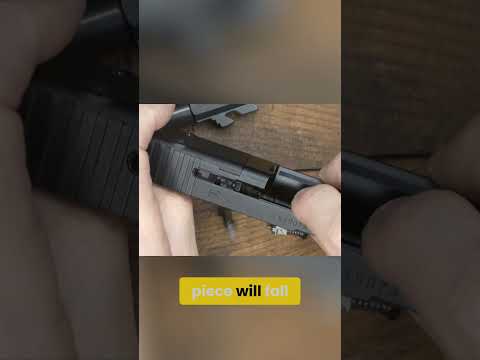
This guide details the field stripping process for the Smith & Wesson M&P 380 EZ, highlighting its simplified procedure compared to other M&P models. The video emphasizes that no trigger pull or sear deactivation lever manipulation is necessary, making it accessible for a wider range of users, particularly those with limited hand strength. The instruction comes from Justin Opinion, an experienced firearms reviewer known for his practical insights.

Quick Summary

The Smith & Wesson M&P 380 EZ is designed for ease of use, featuring an internal hammer-fired mechanism for lighter slide racking and simplified field stripping without a trigger pull. It offers low recoil and is suitable for concealed carry and home defense, though proper grip technique is crucial to avoid malfunctions like stovepipes.

Chapters

  1. 00:15Introduction to the S&W M&P 380 EZ
  2. 01:16Mechanical Features and Slide Action
  3. 02:35Initial Range Testing
  4. 03:47Ammunition Testing and Ergonomics
  5. 05:37Field Stripping and Maintenance
  6. 07:24Accuracy Testing on Paper
  7. 09:46Self-Defense Ammunition Performance
  8. 11:09Malfunction Analysis
  9. 12:43Conclusion and Final Thoughts

Frequently Asked Questions

What makes the Smith & Wesson M&P 380 EZ 'EZ' to operate?

The 'EZ' designation comes from its internal hammer-fired mechanism, which allows for a significantly lighter slide racking force compared to typical striker-fired pistols. This design is specifically intended for shooters who may have limited hand strength, making it easier to manipulate.

How is the field stripping process for the S&W M&P 380 EZ different from other M&P models?

A key difference is that the M&P 380 EZ's field stripping does not require pulling the trigger or manipulating an internal sear deactivation lever, simplifying the process considerably and making it more accessible for users.

What types of ammunition were tested in the S&W M&P 380 EZ?

The review tested Freedom Munitions 100gr Round Nose Flat Point, Speer Lawman 95gr Full Metal Jacket, and Hornady Critical Duty 90gr ammunition, evaluating their performance for range use and self-defense applications.

What caused the stovepipe malfunction during testing?

The stovepipe malfunction observed occurred during one-handed shooting and was attributed by the reviewer to 'limp-wristing' – an improper grip where the wrist is not firmly held – rather than a mechanical failure of the firearm itself.

Related News

All News →

More Gunsmithing & DIY Videos You Might Like

More from Justin Opinion

View all →