Springfield 1911 Found on WW1 Battlefield!

Published on July 3, 2020
Duration: 13:32

This guide details the field stripping and inspection process for a WWI-era Springfield Armory 1911, as demonstrated by a professional collector. It highlights the importance of checking for internal rust and pitting, common issues with historical firearms, and identifying potential replacement parts. The demonstration emphasizes the robust design of the 1911 platform, which can maintain functionality even in severely degraded conditions.


Quick Summary

A WWI Springfield Armory 1911, identified by its 'flaming bomb' mark and serial number range (72,571-133,186), was examined. Despite severe rust and pitting, its action remained functional due to generous 1911 tolerances. However, feed ramp pitting caused feeding issues during range testing, highlighting common degradation challenges in historical firearms.

Chapters

  1. 00:00Introduction: Battlefield Find 1911
  2. 02:09Surprising Functionality Despite Pitting
  3. 04:17Identification: Rare Springfield Armory 1911
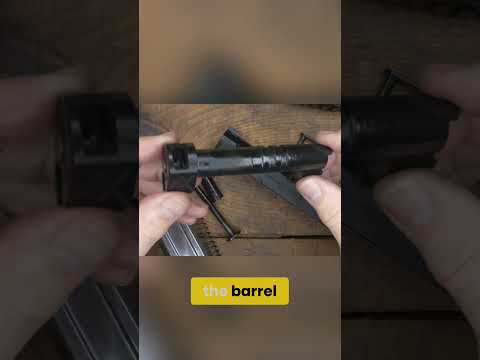
  4. 07:30Field Strip and Internal Inspection
  5. 10:48Range Testing: Performance and Malfunctions

Frequently Asked Questions

What makes a WWI Springfield Armory 1911 rare?

A WWI Springfield Armory 1911 is considered rare due to its specific production during that era and its identification markers, such as the 'flaming bomb' ordnance mark. Springfield Armory produced these pistols in specific serial number ranges (72,571 - 133,186) during WWI, distinguishing them from more common Colt models.

Can a heavily rusted 1911 still function?

Yes, a 1911 with significant rust and pitting can still exhibit functional action, such as racking and dry-firing. This is largely attributed to the generous tolerances inherent in the 1911 design, which allow for more clearance between parts compared to more tightly fitted firearms.

What are common issues with WWI-era firearms found in harsh conditions?

Firearms found in harsh conditions, like the WWI 1911 discussed, often suffer from severe external and internal rust and pitting. This degradation can affect critical components like the feed ramp, leading to feeding issues, and may necessitate the replacement of parts like the slide stop or barrel bushing.

How can one identify a Springfield Armory 1911 from WWI?

Identification involves looking for specific manufacturer markings, such as the 'flaming bomb' ordnance symbol, and checking the serial number against known production blocks for Springfield Armory during WWI (serial numbers 72,571 - 133,186). These details differentiate it from Colt production models.

Related News

All News →

More Gunsmithing & DIY Videos You Might Like

More from Legacy Collectibles

View all →