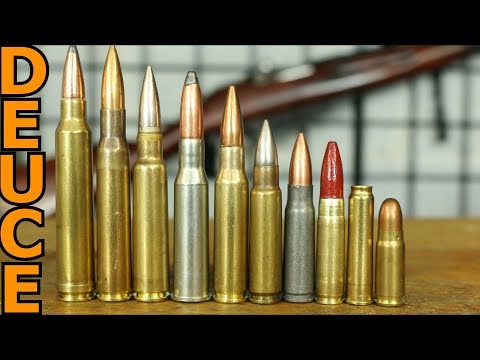
Testing CFE 223 Powder in my AR15

Published on July 12, 2025
Duration: 16:29

This video details the process of reloading 5.56 ammunition for an AR-15 using Hodgdon CFE 223 powder. The presenter, Deuce, demonstrates case preparation, powder charging with an RCBS Chargemaster, and bullet seating. He then presents ballistics data and accuracy results for various powder charges, concluding that a sweet spot between 26.5 and 27 grains is optimal for his specific rifle.

Quick Summary

The optimal load for Hodgdon CFE 223 powder in a 5.56 AR-15, using 55-grain FMJ BT bullets and a 20-inch barrel, was found to be between 26.5 and 27 grains. This range provided excellent accuracy, with groups around 0.53 to 0.73 inches at 50 yards.

Chapters

  1. 00:00Introduction: Reloading 5.56 Ammo
  2. 00:13Powder Choice: Reloader 15 vs. CFE 223
  3. 01:48Reloading Press: Lee Turret Press
  4. 02:23Reloading Process Overview
  5. 03:52Powder Measurement: RCBS Chargemaster
  6. 04:39Hodgdon Load Data & Charge Weights
  7. 05:09Test Ammunition Setup
  8. 05:40Shooting at the Range
  9. 06:30Testing 26 Grains of CFE 223
  10. 09:46Testing 26.5 Grains of CFE 223
  11. 10:38Testing 27 & 27.5 Grains of CFE 223
  12. 12:16Load Analysis & Sweet Spot
  13. 13:31Load Data vs. Real World Velocity
  14. 14:12Barrel Length & Twist Rate Impact
  15. 15:00Final CFE 223 Recommendations
  16. 15:12Reloading Logbook Importance
  17. 15:49Conclusion & Range Experience

Frequently Asked Questions

What is the optimal powder charge for Hodgdon CFE 223 in a 5.56 AR-15?

For the presenter's specific AR-15 with a 20-inch barrel and 1:9 twist, the sweet spot for Hodgdon CFE 223 powder with 55-grain FMJ BT bullets was found to be between 26.5 and 27 grains, offering the best accuracy and consistency.

How does Hodgdon CFE 223 compare to Reloader 15 for AR-15 reloading?

Hodgdon CFE 223 is presented as a viable alternative to Reloader 15, offering similar temperature insensitivity and potentially better copper fouling resistance. It is also noted to be less expensive per pound.

What factors affect bullet velocity in reloaded 5.56 ammunition?

Bullet velocity is significantly affected by powder charge weight, barrel length, and twist rate. Published load data often uses longer barrels (e.g., 24 inches) than typical civilian rifles (e.g., 20 inches), leading to lower observed velocities.

What are the key steps in reloading 5.56 ammunition for an AR-15?

Key steps include preparing spent cases (cleaning, resizing, de-priming), trimming cases to consistent length, reaming primer pockets, accurately measuring powder charges with an electronic scale, seating bullets, and crimping cases.

Related News

All News →

More Gunsmithing & DIY Videos You Might Like

More from DEUCE AND GUNS

View all →